




Win Thin Says Rate Hikes Unnecessary as Yen Hits Four-Decade Low
Win Thin, Chief Economist at Bank of Nassau, says current economic conditions do not warrant rate hikes, as the yen plunges to a four-decade low ahead of Fed Chair Kevin Warsh's Sintra speech.
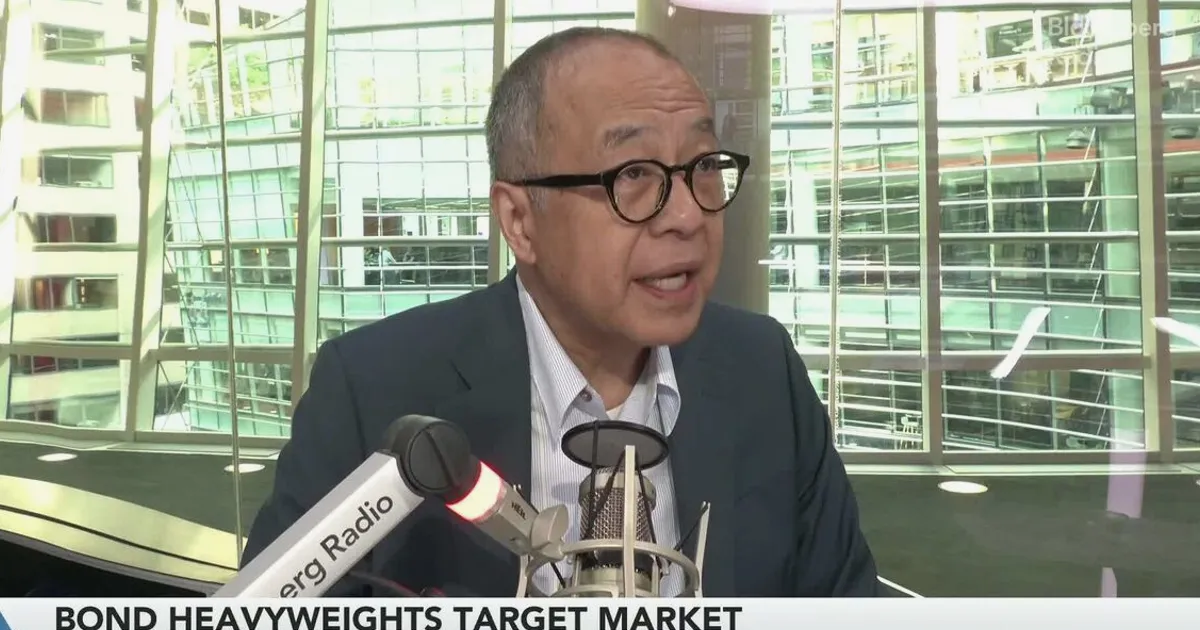
Win Thin, Chief Economist at Bank of Nassau, stated that current economic conditions do not call for rate hikes, as the Japanese yen tumbled to a four-decade low against the US dollar. The yen's decline has become a focal point in currency markets, with traders closely watching Federal Reserve Chair Kevin Warsh's upcoming speech at the Sintra policymaker forum for further direction. The yen's selloff has been driven by the widening interest rate differential between Japan and the US, as the Fed maintains a hawkish stance under Chair Warsh while the Bank of Japan keeps rates ultra-low. This differential reflects the Fed's ongoing efforts to combat inflation under its dual mandate of price stability and maximum employment, even as the yield curve has inverted, signaling recession risks. Thin argued that the US economy does not require additional tightening, suggesting that the Fed's current policy rate is sufficient. For traders monitoring rate-sensitive assets, NowPrice's real-time rates quotes provide the latest levels on USD/JPY and US Treasury yields.
The significance of Thin's remarks lies in the context of the Fed's balance-sheet runoff and the term-premium decomposition, which have influenced long-term yields. The widening swap spreads between USD and JPY further exacerbate the yen's weakness, as investors seek higher returns in US assets. Meanwhile, the European Central Bank's transmission protection instrument (TPI) aims to prevent fragmentation in eurozone bond markets, but it does not directly address yen dynamics. The Bank of Japan's yield curve control policy has kept Japanese government bond yields low, reinforcing the rate differential. Thin's view suggests that the Fed may pause its tightening cycle, which could alleviate pressure on the yen if the differential narrows. However, the market remains skeptical, as inflation remains above the Fed's 2% target and the labor market stays tight.
Market participants will now focus on Warsh's Sintra remarks for any shift in tone. A hawkish surprise could accelerate yen weakness, while a more cautious stance might trigger a rebound. Key data releases this week include US ISM manufacturing and nonfarm payrolls, which will further shape rate expectations. The yen's trajectory will also depend on any intervention signals from Japanese authorities, as the Ministry of Finance has previously warned against excessive volatility. A break below the 160 level could prompt intervention, similar to actions taken in 2022. Additionally, the Fed's balance-sheet reduction, which has drained reserves, may amplify market reactions to data surprises. Traders should monitor swap spreads and term premiums for signs of stress in funding markets. The combination of policy divergence, data dependency, and potential intervention makes USD/JPY a key barometer for global rate expectations.