




Aluminum Price Surge Blunted by Middle East Transits and Chinese Supply
The Iran war triggered a major aluminum supply shock, but price gains have been capped by rerouted shipments via the Middle East and increased Chinese output, limiting the impact on equities and industrial metals traders.
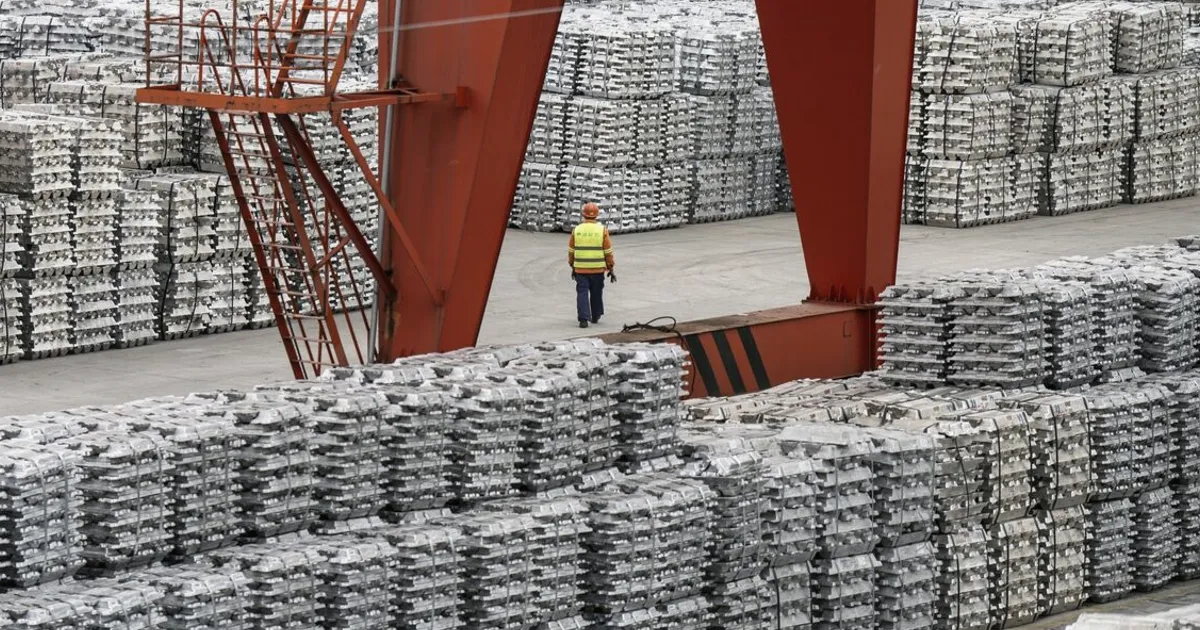
The Iran war has delivered one of the largest supply shocks to the aluminum market in history, but the anticipated runaway price surge has been tempered by creative logistics and increased output from key producers.
The conflict disrupted major shipping routes in the Persian Gulf, threatening to cut off a significant portion of global aluminum supply. However, producers in the Middle East have rerouted shipments through alternative transit points, while Chinese smelters have ramped up production to fill the gap. This combination has blunted the price spike, keeping aluminum futures well below the levels many traders had feared. For equity investors, aluminum producers' stocks have seen mixed reactions, with some benefiting from higher prices while others face margin pressure from rising energy costs.
For stock market participants, the aluminum price dynamics are a key indicator of broader inflationary trends and supply chain resilience. A sustained rally in aluminum would feed into higher costs for sectors like automotive, construction, and packaging, potentially squeezing margins. Traders can track real-time aluminum futures and related equities on NowPrice's live dashboard to gauge market sentiment. The current price action suggests that the market is pricing in a manageable disruption, but further escalation or logistical bottlenecks could reignite volatility.
Looking ahead, the market will focus on Chinese export data and Middle Eastern shipping schedules. Any signs of sustained Chinese output cuts or further disruptions to transit routes could quickly reverse the current price stability. Investors should also monitor inventory levels at the London Metal Exchange, which have been declining, and the upcoming US inflation data that may influence demand expectations. The aluminum market remains in a delicate balance between war-driven supply risks and adaptive producer responses.