




CFTC Not Ready for Prediction Market Social Costs, State AGs Say
California and Minnesota attorneys general argue the CFTC lacks authority to address gambling-related harms from prediction markets, complicating the regulator's push to oversee the sector.
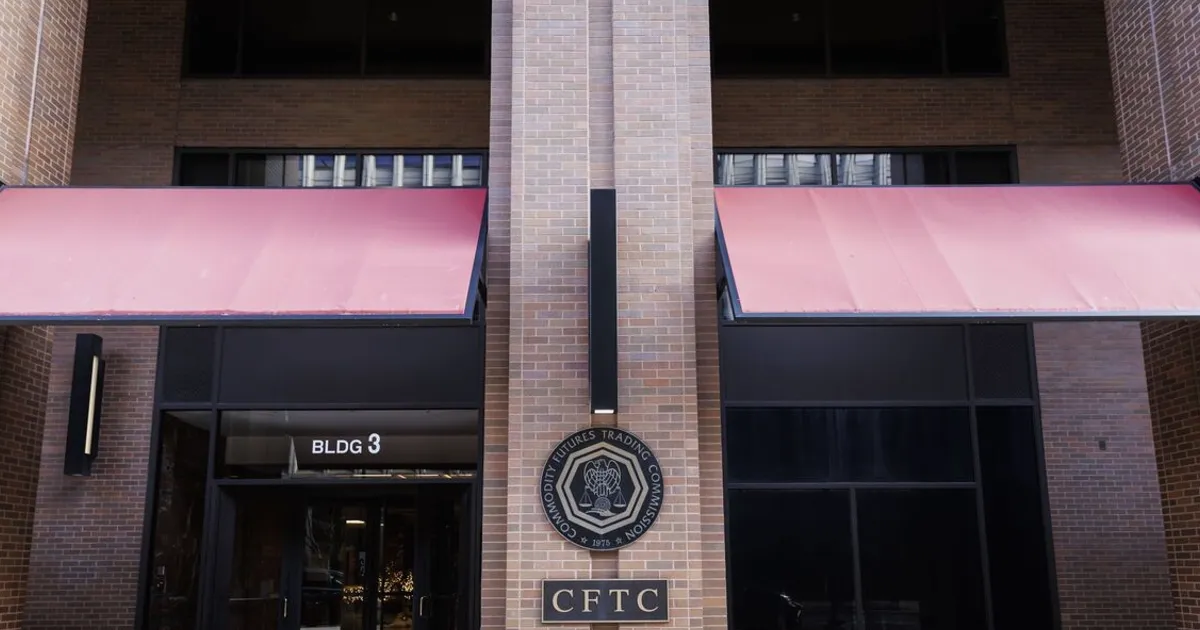
Attorneys general from California and Minnesota have told a federal court that the Commodity Futures Trading Commission is not equipped to handle the social costs associated with prediction markets, including gambling addiction. The state officials filed an amicus brief in a case challenging the CFTC's authority over such markets, arguing that the regulator lacks the expertise and legal mandate to address consumer protection issues that fall under state jurisdiction. The filing highlights a growing tension between federal oversight and state concerns as prediction markets expand beyond traditional commodities and into event-based contracts on elections, sports, and other outcomes.
The CFTC has been pushing to assert its authority over prediction markets, proposing rules that would ban certain event contracts deemed against the public interest. However, the state attorneys general contend that the agency's focus on market integrity overlooks the broader social harms, such as addiction and financial ruin, which are typically regulated by states. This legal challenge could set a precedent for how prediction markets are governed in the US, potentially limiting the CFTC's role and leaving states to fill the gap. For traders, the uncertainty around regulation may affect the availability and pricing of these contracts, though the immediate impact on traditional equity and commodity markets remains limited.
Looking ahead, the court's decision in this case will be closely watched by market participants and regulators alike. A ruling favoring state authority could fragment the regulatory landscape, while a win for the CFTC might accelerate federal rulemaking. Investors in companies that operate prediction market platforms, such as Kalshi or PredictIt, should monitor legal developments as they could influence business models and compliance costs. The broader implications for the derivatives market hinge on whether prediction contracts are treated as commodities or gambling instruments, a distinction that remains legally unsettled.