




Goldman Sachs Says Capital Spending Is Powering the Bull Market
Goldman Sachs strategist says a broad-based increase in capital spending across major economies is underpinning the current bull market, as the S&P 500 added over $8 trillion in market value in Q2 2026.
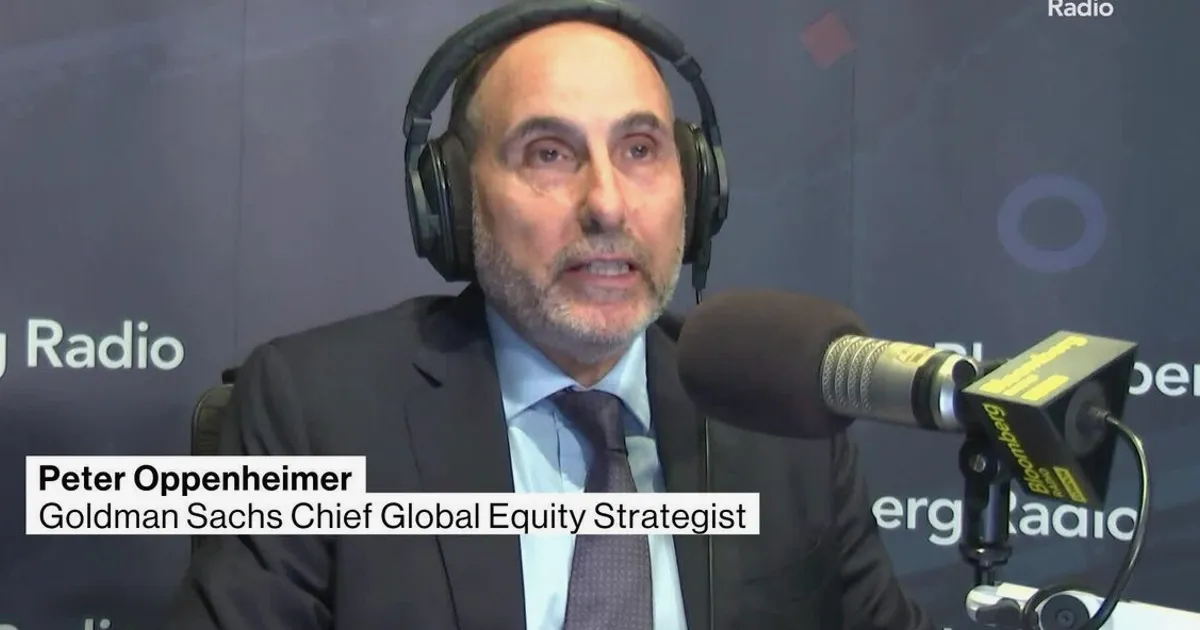
Goldman Sachs Chief Global Equity Strategist Peter Oppenheimer said that for the first time in a generation, major economies are seeing a broad-based increase in capital spending, a trend he believes is underpinning the current bull market. This shift in corporate behavior is particularly significant because capital expenditure directly fuels productivity gains and earnings growth, which in turn support higher equity valuations. The so-called Fed model, which compares the S&P 500 earnings yield (around 4.5% based on forward estimates) to the 10-year Treasury yield (currently near 4.2%), suggests stocks are only modestly expensive relative to bonds. A sustained capex cycle could widen that gap by boosting earnings, making equities more attractive.
The best quarter for stocks in six years ended on a high note, with chipmakers extending their rebound from war-driven lows and signs of economic resilience boosting confidence in corporate earnings. The rally added more than $8 trillion to the S&P 500's market value over the past three months. Fresh data pointed to strength in both the labor market and consumer sentiment, providing further momentum. For equities traders, the capital spending cycle is a key driver of earnings growth and can support higher valuations. The S&P 500's forward P/E has expanded to roughly 20x, above the 10-year average of 18x, but breadth indicators remain mixed—only about 60% of stocks are above their 200-day moving average, suggesting the rally is concentrated. Sector rotation has favored industrials and technology, which benefit directly from capex, while defensive sectors lag. Additionally, buyback yields remain elevated at around 3% for the S&P 500, providing a floor for prices. Options-implied volatility, as measured by the VIX, has fallen to 14, indicating complacency but also reflecting confidence in the earnings outlook. Investors can track the latest S&P 500 movements on NowPrice's stocks page for real-time pricing context.
Looking ahead, market participants will watch for further data on capital expenditure plans from major companies, as well as central bank policy signals that could influence the cost of investment. The sustainability of the bull market may depend on whether the capital spending trend continues to broaden across sectors and regions. Key risks include a potential spike in Treasury yields that could challenge the Fed model's valuation support, or a slowdown in capex if borrowing costs remain high. On the other hand, if capex accelerates, it could drive earnings above current estimates, pushing the forward P/E lower and justifying current valuations. Investors should also monitor breadth indicators and sector rotation to gauge whether the rally is becoming more inclusive. A sustained capex cycle, combined with resilient consumer spending, could extend the bull market, but any signs of a pullback in investment plans would be a cautionary signal.