




Hertz Slides After Warning Used Car Softness Hurting Profit
Hertz Global Holdings shares fell after the car rental company warned that used car market softness is pressuring profit, with Q2 results expected at the low end of its forecast range.
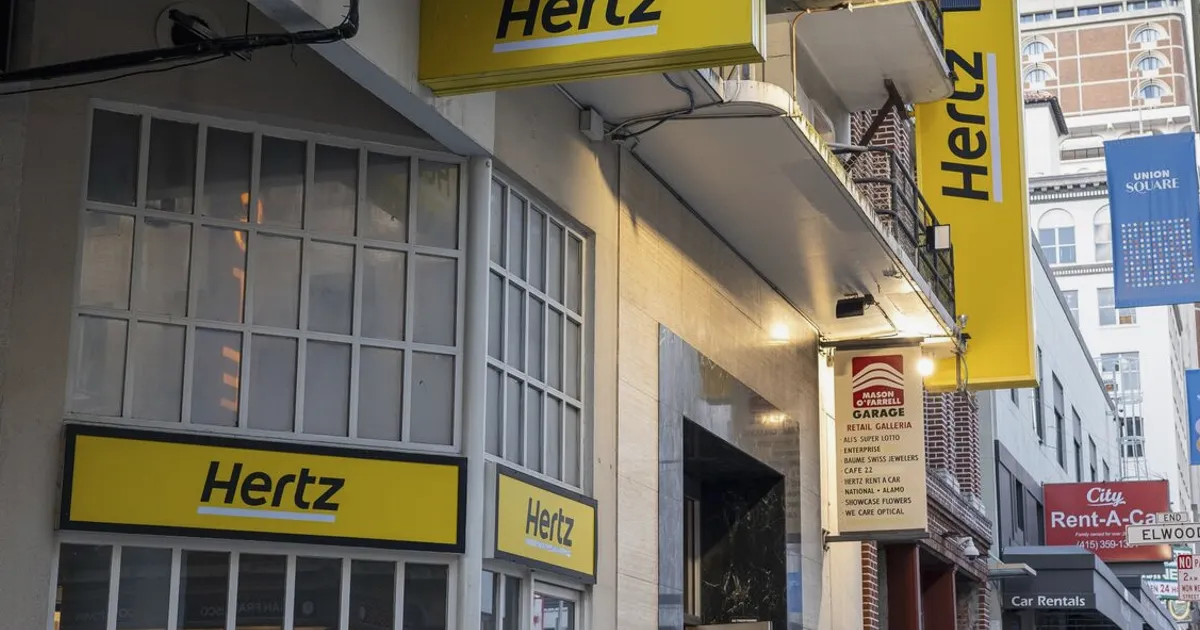
Hertz Global Holdings Inc. shares tumbled after the car rental company warned that profit in the current quarter is trending toward the low end of its expectations, citing softness in the used car market. The company also announced offerings of shares and notes, adding to the negative sentiment. The stock fell as much as 8% in early trading, reflecting investor concerns about the dual headwinds of operational weakness and potential dilution from the capital raise.
The used car market weakness directly impacts Hertz's business because the company sells its retired rental vehicles into that market. Lower used car prices reduce the proceeds from those sales, squeezing margins. This dynamic is particularly acute for rental firms, which typically hold large fleets and rely on residual values. For equity traders, this highlights the vulnerability of rental car companies to macroeconomic shifts in vehicle supply and demand. The earnings yield on Hertz stock, currently around 4.5% based on forward estimates, now faces pressure relative to the 10-year Treasury yield near 4.3%, narrowing the risk premium. Meanwhile, the broader S&P 500 forward P/E sits at 21x, but auto-related sectors trade at a discount, reflecting cyclical risk. Breadth indicators show weakness in consumer discretionary names, while sector rotation has favored defensive plays. Hertz also faces headwinds from lower buyback yields as it prioritizes debt reduction. Options-implied volatility on Hertz has spiked, suggesting traders expect further swings. Investors can track current pricing on NowPrice's stocks page for real-time context on Hertz and other auto-related equities.
Looking ahead, traders will watch for further commentary from Hertz management on used car pricing trends and any impact from potential interest rate changes on vehicle financing costs. The company's next earnings report will provide more clarity on whether the softness is temporary or part of a longer-term trend. Key metrics to monitor include fleet utilization rates, depreciation costs, and the trajectory of auction prices for used vehicles. A sustained decline in used car values could force Hertz to adjust its fleet composition or accelerate vehicle sales, further pressuring margins. Conversely, if the Federal Reserve cuts rates later this year, lower financing costs could support used car demand and stabilize residual values. For now, the risk-reward remains skewed to the downside, with the stock trading near the lower end of its 52-week range.