




What’s at Stake If Indonesia Loses Its Emerging Market Status
Indonesia risks losing its emerging market classification, which could trigger billions in foreign outflows and raise borrowing costs for Southeast Asia's largest economy.
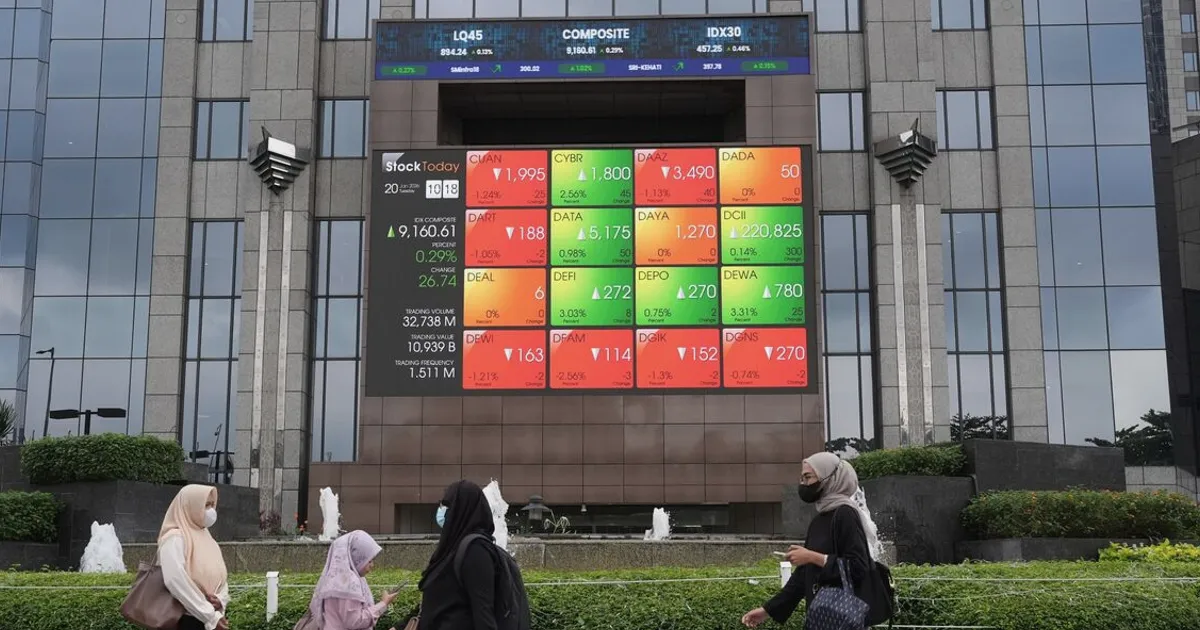
Indonesia, Southeast Asia's largest economy with a GDP of approximately $1.5 trillion, faces the risk of losing its emerging market status, a classification it has held for decades. Such a downgrade could jeopardize billions of dollars in foreign investment that has flowed into the country's stock and bond markets.
Index provider MSCI and other benchmark compilers periodically review country classifications based on criteria such as market accessibility, size, and liquidity. A reclassification from emerging to frontier market status would force many institutional investors, who are mandated to track emerging market indices, to reduce or exit their Indonesian holdings. This could trigger significant capital outflows, pressuring the rupiah and raising borrowing costs for the government and corporations. For equity traders, the potential downgrade introduces a new layer of uncertainty, as foreign portfolio flows have been a key driver of Indonesian stock valuations. NowPrice's real-time stock quotes can help traders monitor the immediate impact on Jakarta-listed shares as the situation evolves.
Market participants will closely watch MSCI's next classification review, typically conducted in June and November. Any announcement of a potential downgrade would likely accelerate selling pressure. Additionally, the Indonesian government's efforts to improve market infrastructure and attract foreign capital will be critical in determining whether the country can retain its status. Investors should also monitor the country's foreign exchange reserves and current account balance for signs of vulnerability. The outcome will have broad implications for emerging market allocations across the region.