




Japan’s $2.3 Trillion Plan Stirs JGB Market Jitters
Bond strategists warn that Prime Minister Takaichi’s $2.3 trillion investment plan could pressure Japan’s government debt market, raising financing and growth concerns.
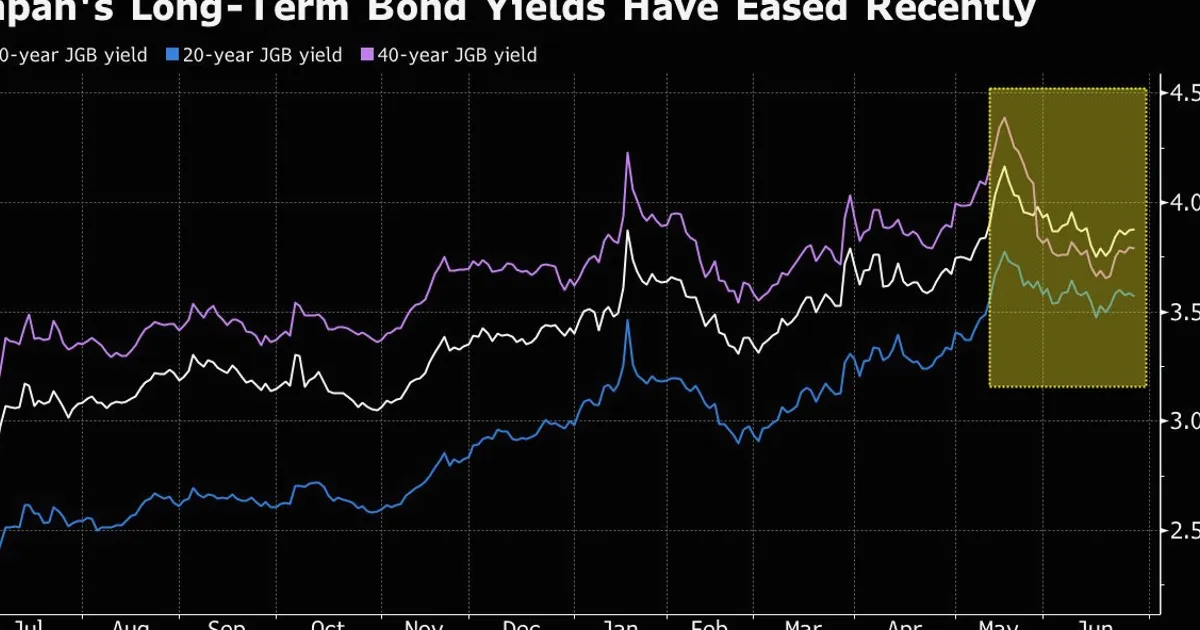
Bond strategists are warning that Prime Minister Sanae Takaichi’s $2.3 trillion investment plan may put fresh pressure on Japan’s government debt market, sparking uncertainty about financing and prospects for generating the promised growth.
The plan, announced by Takaichi’s administration, aims to boost Japan’s long-term economic competitiveness through large-scale public and private investment. However, the sheer size of the proposal has raised alarm among fixed-income analysts, who question how the government will fund such an ambitious program without destabilizing the Japanese government bond (JGB) market. Japan already carries one of the highest debt-to-GDP ratios in the world, and any additional issuance could push yields higher, increasing borrowing costs for the government and potentially crowding out private investment.
For equity traders, the implications are twofold. On one hand, the investment plan could stimulate economic growth and benefit sectors such as infrastructure, technology, and green energy. On the other hand, rising JGB yields could trigger a rotation out of growth stocks and into value, as higher discount rates reduce the present value of future earnings. Moreover, if the Bank of Japan (BOJ) is forced to adjust its yield curve control policy to accommodate the new issuance, the resulting volatility could spill over into global bond markets, affecting risk sentiment worldwide. Traders can monitor real-time pricing on NowPrice’s stocks page to gauge market reactions.
Looking ahead, market participants will focus on the details of the plan, including the specific funding mechanisms and the timeline for implementation. Key data releases to watch include Japan’s GDP growth figures and the BOJ’s next policy meeting, where any hints of policy normalization could amplify JGB moves. The success of the plan will ultimately depend on whether it can generate enough growth to offset the additional debt burden, a delicate balance that will keep bond and equity markets on edge in the coming months.