




Japan and Korean Stocks Surge on Hormuz Reopening Hopes
Japanese and South Korean stocks rallied to multi-year highs after the US and Iran agreed to reopen the Strait of Hormuz, easing supply chain fears in Asia.
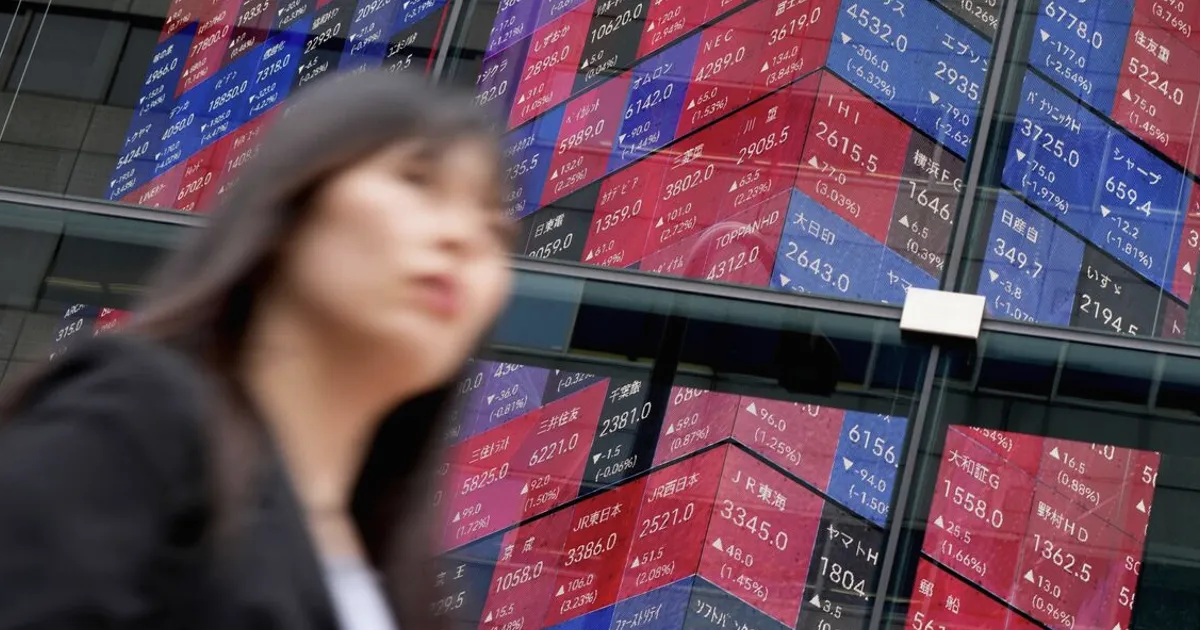
Japanese and South Korean stocks surged to record highs on Monday after the United States and Iran announced a deal to reopen the Strait of Hormuz, a critical chokepoint for global oil shipments. The Nikkei 225 and Kospi both posted gains exceeding 3%, driven by a broad-based relief rally across Asian markets. The rally was notably broad, with over 80% of stocks in both indices advancing, reflecting a sharp reduction in geopolitical risk premiums that had been priced in over recent weeks.
The agreement, which is expected to be signed within days, would restore the flow of tanker traffic through the strait, which had been disrupted by heightened tensions in the region. For equity traders, the news removes a major source of uncertainty that had weighed on sentiment for weeks. The reopening is seen as a significant boost for energy-dependent economies like Japan and South Korea, which rely heavily on Middle Eastern crude. From a valuation perspective, the improved outlook lowers the equity risk premium, making the earnings yield more attractive relative to government bond yields—a key tenet of the Fed model. With the Nikkei’s forward P/E around 15x, still below its 5-year average of 16.5x, there is room for further multiple expansion if the deal holds. On NowPrice, live stock charts show the immediate positive reaction, with shipping and industrial stocks leading the advance, while energy stocks initially dipped on falling crude prices. Buyback yields in Japan remain elevated near 3%, providing additional support.
Looking ahead, investors will monitor the implementation timeline and any potential hurdles to the deal. If the reopening proceeds smoothly, further upside in Asian equities is possible, particularly in sectors sensitive to oil prices like transportation and manufacturing. However, any signs of delay or disagreement could quickly reverse the gains, as implied volatility in Nikkei options remains elevated, suggesting traders are hedging against tail risks. The focus now shifts to the official signing ceremony and subsequent market reactions in the coming days, with sector rotation likely favoring cyclicals over defensives if the risk-on mood persists.