




South Korea's Stock Market Eyes MSCI Developed Market Upgrade
South Korea's stock market, after a volatile week, is approaching a potential MSCI developed-market reclassification, a milestone that could boost foreign investment and valuations.
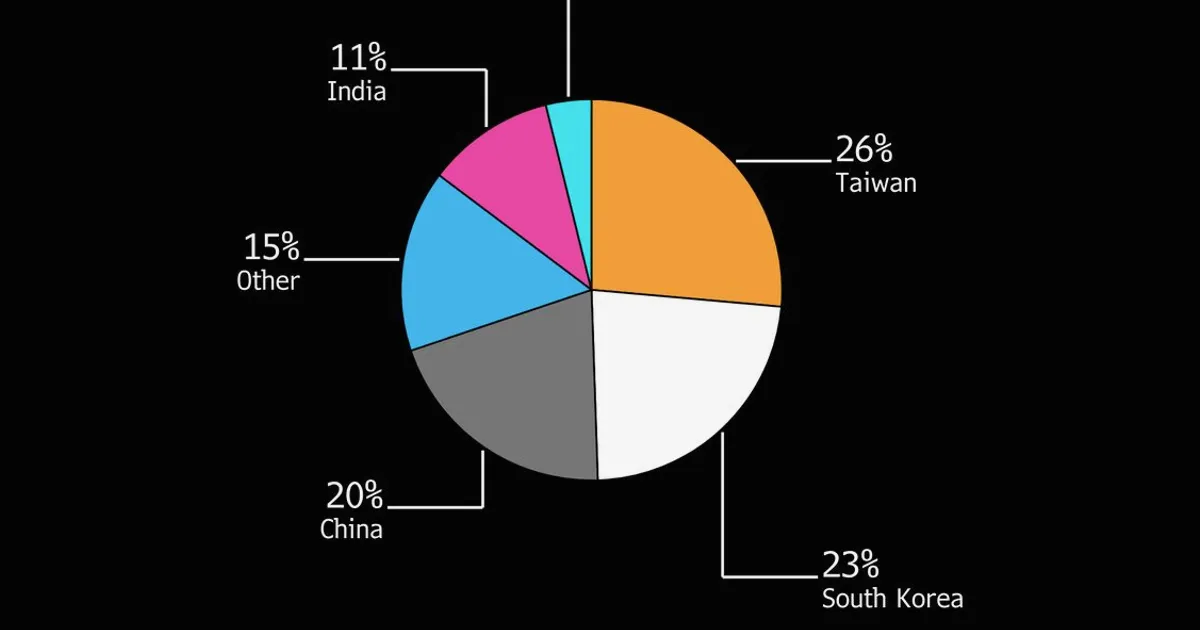
South Korea's stock market is approaching a milestone it has long pursued: a potential reclassification to developed-market status by MSCI Inc. The move comes after one of the most volatile weeks in years for Korean equities, with the Kospi index experiencing sharp swings amid global trade uncertainties and domestic political developments.
The potential upgrade would mark a significant shift for the $1.8 trillion market, which has been classified as an emerging market by MSCI since the index provider began its country classifications. A developed-market designation typically leads to increased foreign portfolio inflows as global fund managers tracking MSCI indexes adjust their allocations. For equities traders, this could mean a structural re-rating of Korean stocks, particularly large-cap names that dominate the index. The reclassification process involves MSCI's assessment of market accessibility, including factors such as foreign ownership limits, trading infrastructure, and settlement systems. South Korea has made several regulatory changes in recent years to meet these criteria, including extending trading hours and easing foreign registration requirements. If successful, the upgrade could narrow the valuation discount that Korean stocks have historically traded at relative to other developed markets. Traders can monitor current pricing and index composition on NowPrice's stocks page for real-time context.
Looking ahead, the key date is MSCI's annual market classification review, typically announced in June. Investors will watch for any signals from MSCI regarding South Korea's progress, as well as the government's continued efforts to improve market accessibility. The outcome could have significant implications for sector rotation, with financials, technology, and consumer discretionary stocks likely to see the most pronounced effects from potential index-tracking flows. Any delays or setbacks in the process could reintroduce volatility, particularly given the recent market turbulence.