




S&P Vulnerable as Hedges Removed Ahead of Fed Decision
Traders have removed hedges ahead of Kevin Warsh's first Fed meeting, leaving the S&P 500 exposed to potential declines if the decision surprises markets.
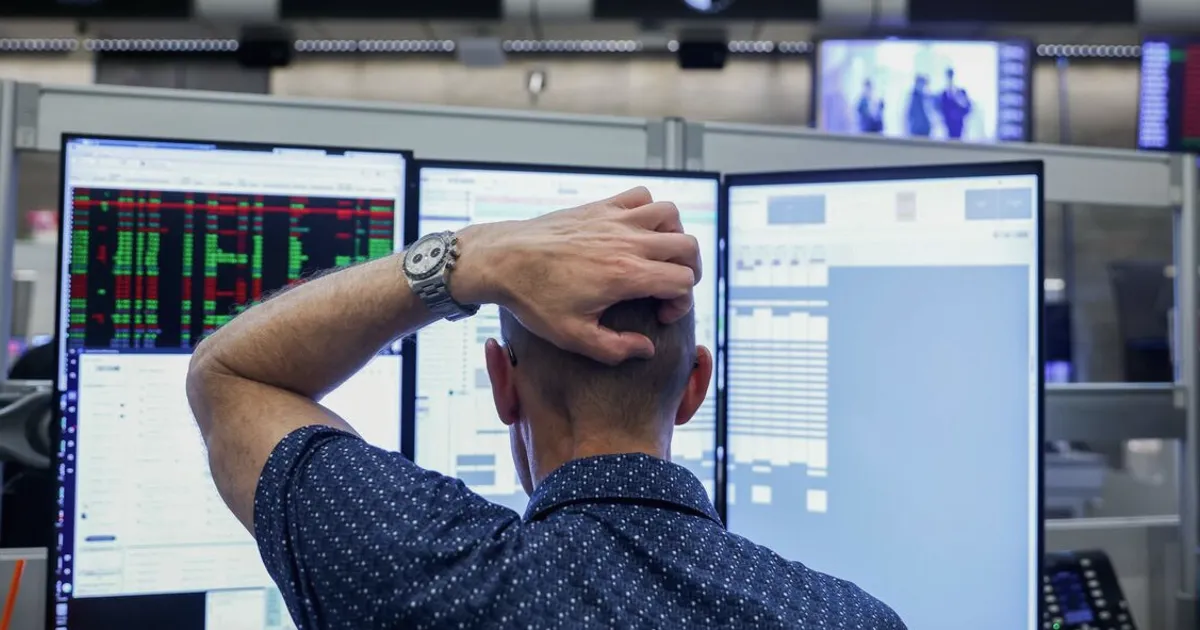
The S&P 500 is vulnerable to a selloff as traders have removed hedges ahead of Kevin Warsh's first interest-rate decision as Federal Reserve chair, leaving the index exposed to any hawkish surprise. The Cboe Volatility Index (VIX) has dropped to multi-month lows, while put/call ratios on the SPX have declined sharply, signaling reduced demand for downside protection. This complacency contrasts with the elevated geopolitical uncertainty surrounding the Iran deal, which had previously driven hedging activity. Without these buffers, a sudden repricing of rate expectations could trigger outsized moves, as the S&P 500's low implied volatility leaves it susceptible to volatility spikes.
With the Fed decision due this week, options market data shows a notable decline in implied volatility and put protection, suggesting investors are complacent. This lack of hedging amplifies the risk of a sharp move if the Fed delivers a rate path that diverges from current expectations. The so-called Fed model, which compares the S&P 500's earnings yield (currently around 4.2%) to the 10-year Treasury yield (near 4.5%), already shows a negative gap, implying stocks are expensive relative to bonds. A hawkish surprise could push yields higher, further compressing equity risk premiums. Meanwhile, the S&P 500's forward P/E of 21x remains above its 10-year average of 18x, leaving room for multiple contraction. Sector rotation has been narrow, with tech and growth stocks driving gains while defensive sectors lag, increasing concentration risk. Traders can monitor the S&P 500's real-time price action on NowPrice's live stocks dashboard to track any sudden shifts.
The key risk is that Warsh signals a more aggressive tightening cycle than priced in, given recent inflation data. Markets will also watch the dot plot and forward guidance for clues on the pace of rate hikes. A break below key support levels could accelerate selling as stop-losses trigger, making the session one of the most consequential of the quarter. Breadth indicators, such as the percentage of stocks above their 50-day moving average, have already weakened, suggesting underlying fragility. Additionally, buyback yields, which have supported the market, may decline if higher rates make debt-financed repurchases less attractive. Options-implied volatility term structure shows a steep contango, indicating that traders expect near-term calm but are pricing in higher volatility later—a pattern that often precedes sharp reversals. Any hawkish surprise could force a rapid re-pricing, with the S&P 500 testing its 200-day moving average near 5,100.