




US funding markets flooded with cash as structural shifts unlock bank capacity
Structural shifts in the US banking system are flooding funding markets with cash, unlocking billions in balance-sheet capacity and reshaping liquidity dynamics for equities traders.
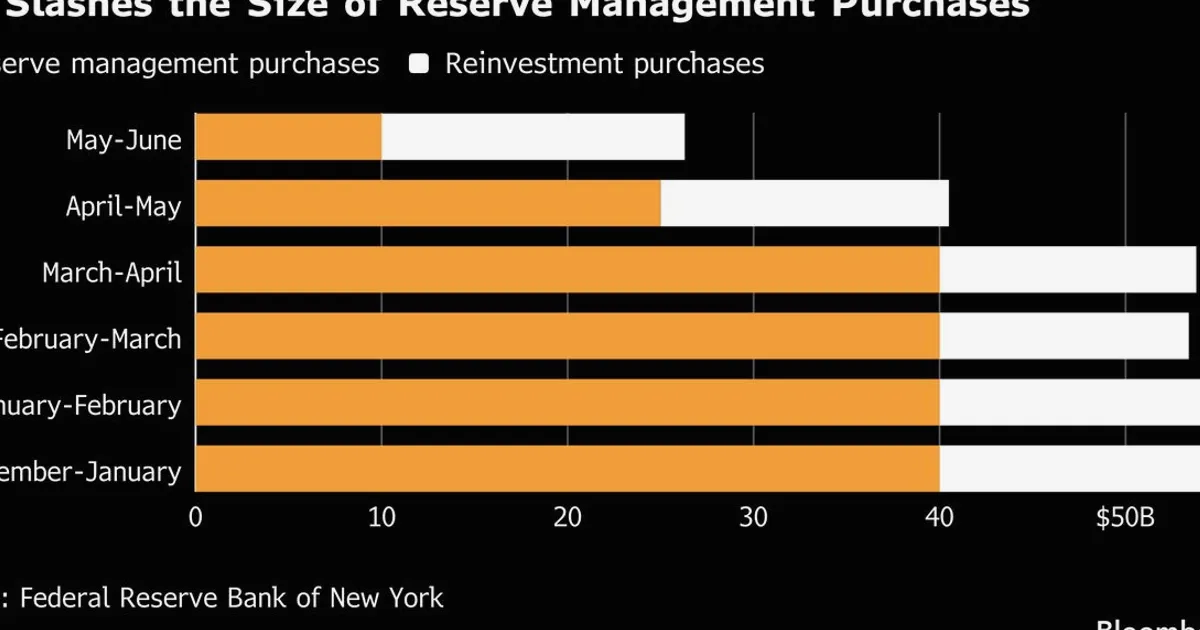
An abundance of cash in US funding markets appears to be driven by deeper structural shifts that are unlocking billions of dollars in balance-sheet capacity at the biggest banks, Wall Street strategists say.
The US funding markets, including the repo market and Treasury bill market, are experiencing a sustained flood of cash. This is not a temporary phenomenon but rather the result of structural changes in the banking system. According to Wall Street strategists, these shifts are freeing up significant balance-sheet capacity at major banks, allowing them to absorb more cash without triggering the kind of scarcity that would push up short-term interest rates. For stock market participants, this liquidity backdrop is supportive: ample cash in funding markets tends to reduce volatility in short-term rates, which in turn lowers the risk of sudden spikes in financing costs for leveraged positions. Live stock prices and charts on NowPrice show how this stable funding environment is contributing to a calmer risk sentiment across equities.
The structural drivers include post-crisis regulatory changes that have altered how banks manage their balance sheets, as well as the Federal Reserve's ongoing quantitative tightening, which has drained reserves from the system but also created new demand for safe assets. Strategists note that the cash glut is likely to persist as long as these structural factors remain in place. For equities traders, this means a lower probability of a repeat of the 2019 repo market turmoil, which briefly sent short-term rates soaring and rattled stock markets. The current environment of abundant liquidity provides a cushion against such shocks.
Looking ahead, market participants will watch for any signs that the Federal Reserve is adjusting its balance sheet runoff pace or that regulatory tweaks could alter bank behavior. The next key data point is the quarterly Senior Loan Officer Opinion Survey, which will offer clues on bank lending conditions. If the cash glut continues, it could support further equity market gains by keeping financing costs low and encouraging risk-taking. However, traders should remain alert to any shift in the structural factors that could reverse the current abundance.