




Wall Street Gains Access to New War-Prediction Catastrophe Models
Wall Street is gaining access to new catastrophe models adapted from natural disaster forecasting to help investors, banks, and insurers predict military conflicts and incorporate war risk into financial scenarios.
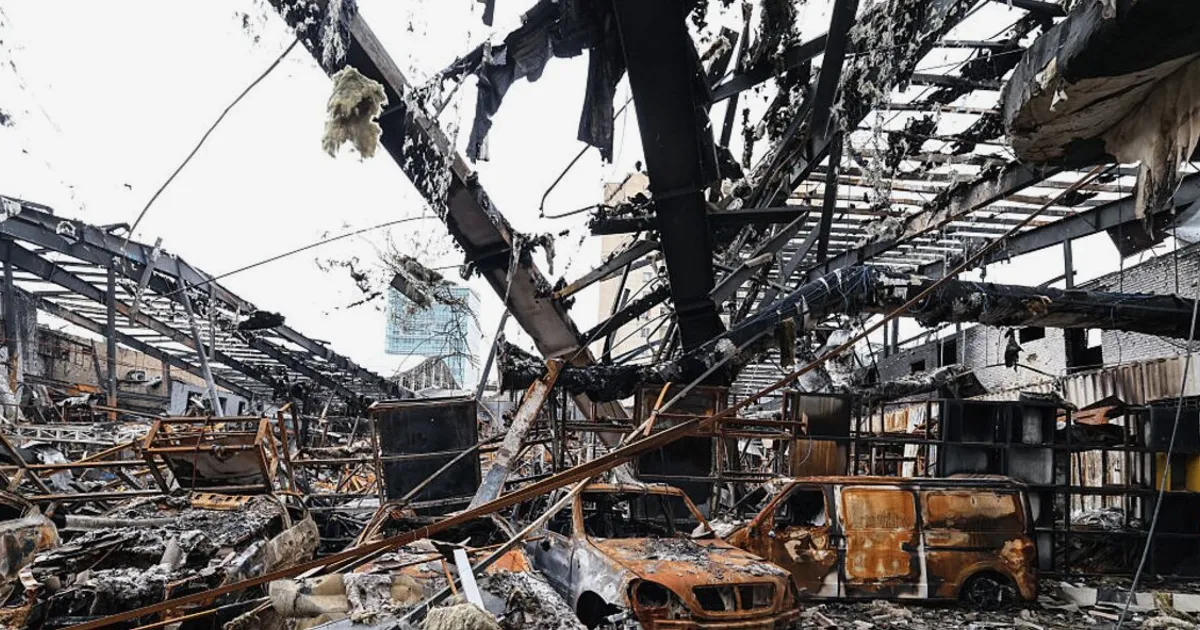
Wall Street is gaining access to new catastrophe models adapted from natural disaster forecasting to help predict military conflicts. The same experts who model hurricanes and earthquakes are now applying their methodology to war scenarios, aiming to give investors, banks, and insurers a quantitative framework for geopolitical risk.
The models, developed by catastrophe modeling firms, use historical data on conflicts, economic indicators, and political variables to estimate the probability and potential impact of wars. This allows financial institutions to stress-test portfolios against geopolitical shocks, similar to how they model climate risks. For equities traders, the ability to quantify war risk could influence sector allocation, particularly in defense, energy, and commodities, where conflict-driven price swings are common. NowPrice's real-time stock quotes can help traders track market reactions as these models evolve.
Looking ahead, the adoption of war-prediction models may reshape how Wall Street prices risk, especially as geopolitical tensions remain elevated. Investors should watch for further integration of these tools into risk management systems and potential regulatory interest in standardized conflict-risk disclosures. The development underscores a broader trend of quantitative methods expanding into traditionally qualitative domains.