




Chinese Fungus Fermentation Boosts Coffee to Specialty Grade
Chinese researchers discovered a native fungus that, through controlled fermentation, can elevate conventional coffee beans to specialty-grade sensory scores.
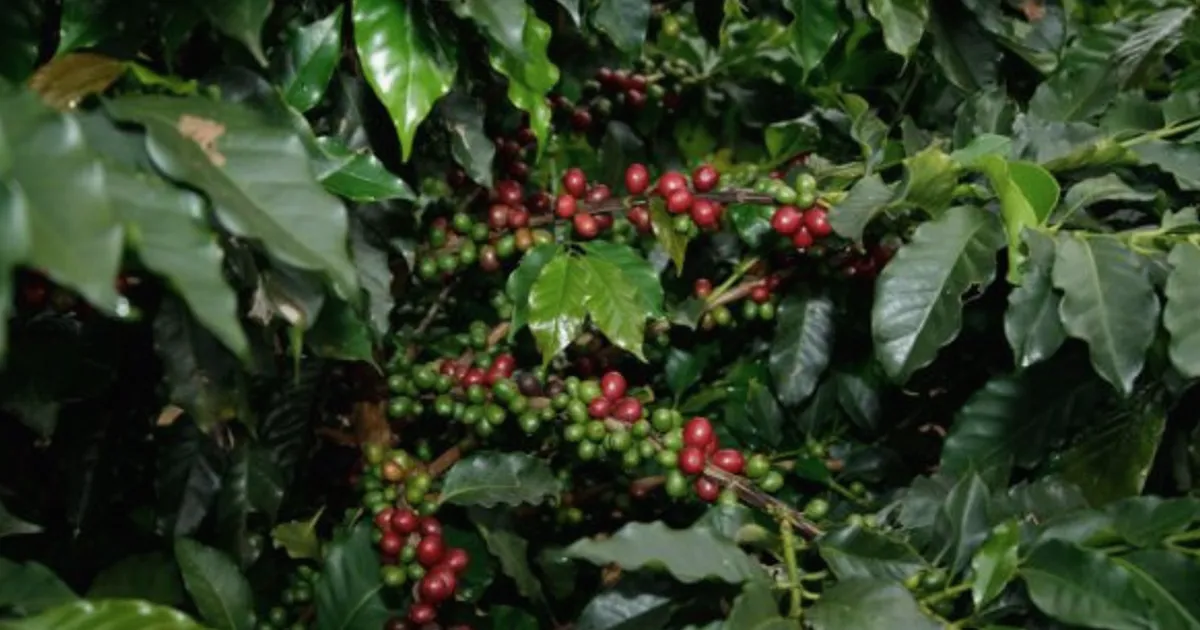
Chinese researchers have identified a naturally occurring fungus in coffee cherries that, when used as a fermentation agent under controlled conditions, can improve the flavor and sensory scores of conventional coffee, potentially lifting it into the specialty grade.
The study, published by scientists in China, focused on a native fungus found on coffee cherries. Through controlled fermentation, the fungus enhanced the coffee's aroma, acidity, and overall sensory profile, achieving scores typically associated with specialty coffee. This innovation could allow producers to upgrade lower-grade beans without expensive equipment or genetic modification. For coffee traders and roasters, this means a potential new tool to add value to standard crops, especially in regions where specialty coffee production is limited. NowPrice's commodities page tracks arabica and robusta futures for current pricing context.
Moving forward, the research team plans to scale the fermentation process and test it on different coffee varieties and origins. If commercialized, this method could reshape supply chains by enabling more farmers to access the specialty market premium. Market participants should watch for further studies and potential industry adoption, which could influence coffee quality benchmarks and pricing dynamics.