




China Gasoline Car Market Slumps as Fuel Prices Surge on Middle East Crisis
China's gasoline car demand is crashing as fuel prices surge amid the Middle East crisis, with discounts on gas guzzlers like Range Rover reaching up to 60%.
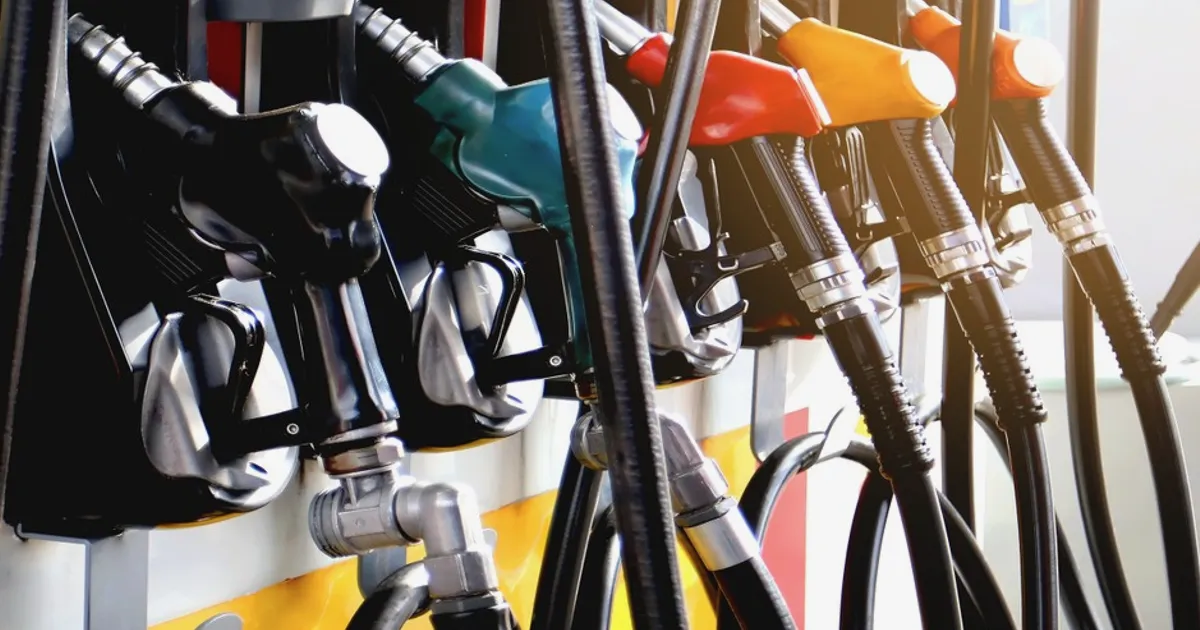
China's gasoline car market is crashing as fuel prices surge amid the Middle East crisis, with discounts on gas guzzlers like Range Rover reaching up to 60%, according to a Bloomberg report citing Chinese media. The slump in gasoline car demand is a direct consequence of rising oil and fuel prices, which have been driven up by geopolitical tensions in the Middle East. Data from the Chinese Passenger Car Association shows discounts on gasoline cars nearly doubled in the first five months of the year as oil prices crept higher. For fuel traders, this shift in consumer behavior signals a potential structural decline in gasoline demand from the world's largest auto market, which could weigh on refining margins and crack spreads. The crack spread—the difference between crude oil and refined product prices—has narrowed as gasoline demand weakens, while Brent-WTI spreads remain volatile amid OPEC+ supply management. Live fuel prices and charts on NowPrice show how the market is reacting to these demand-side pressures.
This demand erosion matters because China has been a key driver of global oil demand growth, and a sustained shift away from gasoline cars could reshape the crude market. OPEC+ spare capacity, estimated at over 5 million barrels per day, provides a buffer against supply disruptions, but the cartel's coordination between Saudi Arabia and Russia may face strains if demand falters. Meanwhile, the US Strategic Petroleum Reserve (SPR) stands at around 370 million barrels, down from 638 million in 2020, limiting Washington's ability to intervene. China's marginal demand for crude, which accounts for roughly 40% of global growth, is now at risk as EV adoption accelerates. The contango structure in the futures market—where later-dated contracts trade at a premium—suggests ample supply, but backwardation could return if Middle East tensions escalate.
Looking ahead, the trend toward electric and hybrid vehicles is accelerating. Chinese passenger car sales dropped over 22% in May, while EV and hybrid sales rose strongly, now accounting for 62.9% of total car sales. Traders should monitor upcoming Chinese auto sales data and oil import figures for further signs of demand erosion, as well as any developments in the Middle East that could sustain or ease fuel price pressures. A sustained decline in gasoline demand could lead to lower refinery runs and narrower crack spreads, while OPEC+ may need to adjust output quotas to balance the market. The interplay between geopolitical risk and structural demand shifts will be critical for crude price direction in the coming months.