




China Taps Commercial Oil Stockpiles to Offset Iran War Supply Shock
China is tapping commercial crude reserves to counter the supply shock from the Iran war, while maintaining lower refinery runs and fuel export curbs to manage the fallout.
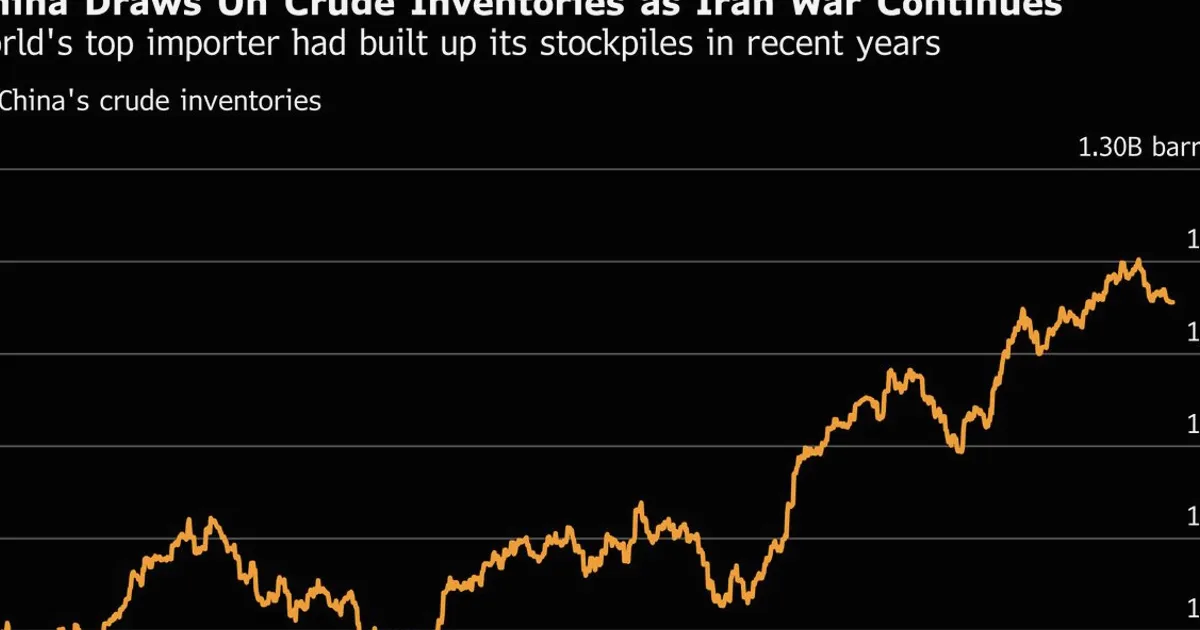
China has started tapping its commercial crude reserves to help offset the supply shock from the Iran war, according to a Bloomberg report. The world's biggest oil importer is also continuing to prioritize lower refinery utilization and fuel export limits to manage the fallout. This move comes as Brent crude spiked above $80 per barrel following the disruption of Middle Eastern supply routes, with the Brent-WTI spread widening to around $5 as traders priced in regional risk. China's commercial stockpiles, estimated at over 200 million barrels, are separate from its strategic petroleum reserve (SPR), which holds roughly 500 million barrels. The decision to tap commercial inventories first suggests Beijing aims to preserve SPR capacity for a prolonged crisis, while also leveraging its position as the world's top crude buyer to influence global prices.
For energy traders, the move signals that Beijing is willing to deploy strategic and commercial stockpiles to stabilize domestic supply, which could temporarily ease upward pressure on global crude prices. However, the simultaneous reduction in refinery runs and fuel exports suggests China is prioritizing internal market balance over international supply. This dual strategy—drawing crude from storage while cutting processed fuel output—reflects a focus on crack-spread economics, where refining margins have narrowed due to weak diesel demand. China's marginal demand for crude, which accounts for over 40% of global oil consumption growth, is a key factor in the market's supply-demand calculus. The drawdown could also affect the contango structure in the futures curve, as immediate physical supply increases may flatten the backwardation that has persisted since the Iran conflict began. Traders can monitor these developments in real time on NowPrice's live fuel dashboard to track price impacts on crude and refined products.
Looking ahead, market participants will watch for further releases from China's strategic petroleum reserve and any changes to refinery operating rates. The duration of the Iran conflict and its impact on Middle Eastern supply routes remain key variables that could determine how much more stockpile China will need to draw down. Additionally, the response from OPEC+—particularly Saudi-Russia coordination—will be critical, as the group holds over 4 million barrels per day of spare capacity that could offset supply losses. If the crisis persists, China may shift from commercial to strategic reserves, while US SPR levels, currently near 370 million barrels, could also be tapped by the Biden administration to stabilize markets. The interplay between these stockpile releases and OPEC+ policy will shape crude price trajectories in the coming weeks.