




Gas prices fall but broader inflation retreat will lag, economists warn
Gas prices have dropped sharply from a month ago, but economists warn that broader inflation will retreat more slowly due to sticky costs and still-elevated fuel prices year-over-year.
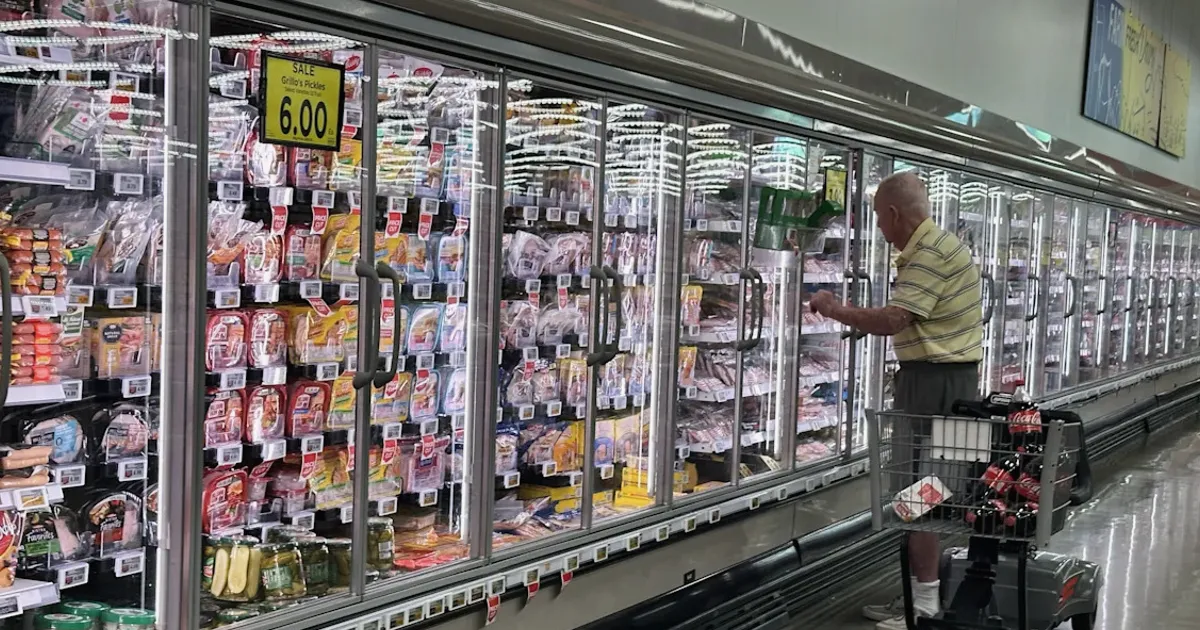
Gasoline prices have fallen significantly from their peak a month ago, offering some relief to consumers. The national average for regular unleaded has dropped by roughly 15 cents per gallon over the past four weeks, according to AAA data, as the Brent crude benchmark slid from above $90 to the mid-$80s per barrel. However, economists caution that the broader inflation picture will not improve as quickly, as other costs remain sticky and fuel prices are still above year-ago levels. The Consumer Price Index (CPI) for July showed headline inflation at 2.9% year-over-year, down from 3.0% in June, but core inflation—excluding food and energy—held steady at 3.2%, underscoring the persistence of housing and services costs. Even with gasoline prices retreating, the energy component of CPI remains elevated compared to 2023, when the national average was about $3.30 per gallon versus the current $3.50.
For energy traders, the disconnect between falling gasoline prices and slower disinflation highlights the complexity of the current market. While lower crude oil costs feed through to the pump—reflecting the crack spread narrowing as gasoline margins compress—other components of inflation, such as housing, services, and food, take longer to adjust. The Brent-WTI spread has tightened to around $4 per barrel, indicating ample global supply, while U.S. Strategic Petroleum Reserve (SPR) levels remain at roughly 375 million barrels, down from 638 million in 2020, limiting the government's ability to intervene. OPEC+ spare capacity, estimated at over 5 million barrels per day, provides a buffer against supply shocks, but the group's coordinated output strategy—led by Saudi Arabia and Russia—keeps a floor under prices. Meanwhile, China's marginal demand has softened, with crude imports down 3% year-to-date, weighing on the global demand outlook. Traders can track real-time gasoline price movements on NowPrice's live fuel dashboard to gauge consumer demand and refine their positions, particularly as the market shifts from backwardation to contango in some crude futures contracts, signaling expectations of oversupply.
Looking ahead, the pace of inflation decline will depend on how quickly supply chains normalize and whether OPEC+ maintains its current output strategy. The group is set to meet in early September to discuss production levels for October, with some members pushing for a gradual unwinding of voluntary cuts. Key data releases, including the next Consumer Price Index report on September 11 and weekly EIA inventory figures, will provide further clues on the trajectory of energy costs and overall inflation. Traders should also monitor the gasoline crack spread, which has fallen from $30 per barrel in June to $20, reflecting weaker demand as the summer driving season ends. If the spread continues to narrow, it could signal further downside for pump prices, but the impact on core inflation will remain muted until housing and services costs moderate.