




IEA Warns Global Gas Demand to Fall for First Time Since 2022 on Iran War
The International Energy Agency forecasts the first annual drop in global gas demand since 2022, driven by elevated prices from the Iran war, signaling a shift in fuel markets.
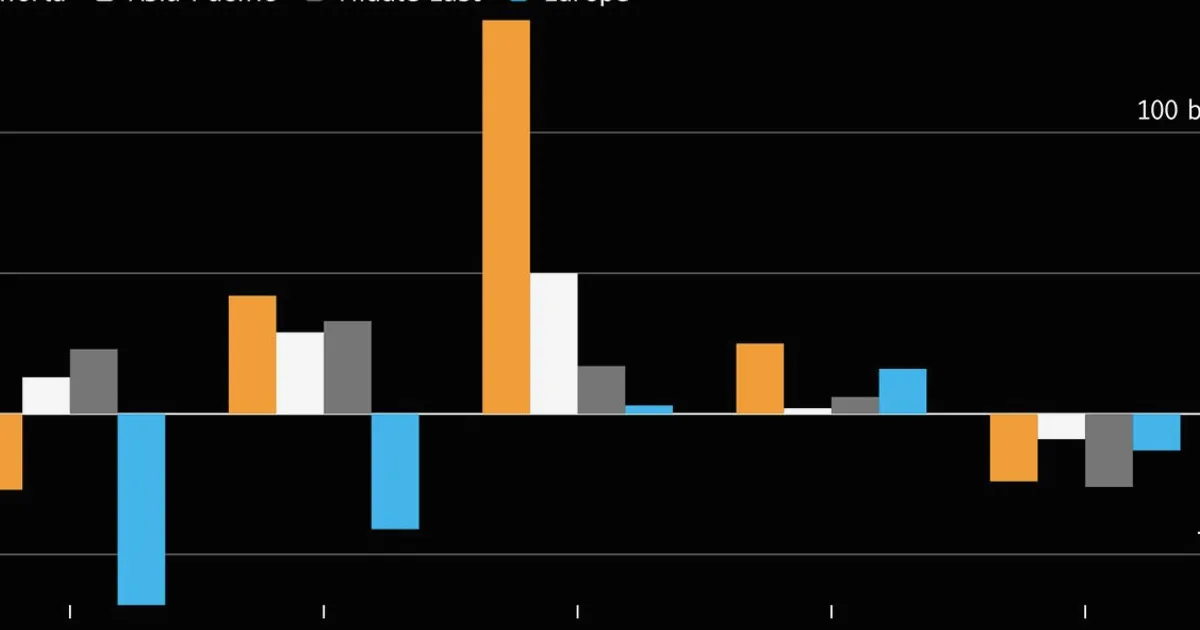
The International Energy Agency (IEA) has warned that global gas demand is set to decline for the first time since the 2022 energy crisis, attributing the drop to higher prices resulting from the ongoing Iran war.
According to the IEA's latest quarterly report, the conflict in Iran has disrupted supply routes and pushed up spot prices, forcing consumers to cut back on consumption. The agency now projects a contraction in demand for the full year, reversing the growth seen in 2023 and 2024. This marks a significant reversal from earlier forecasts that anticipated steady demand increases driven by Asian economic expansion. The price spike has particularly impacted price-sensitive markets in emerging economies, where gas competes with coal and renewables.
For fuel traders, the demand drop signals a potential shift in global gas flows and storage dynamics. Higher prices may encourage increased LNG supply from non-Middle Eastern producers, such as the US and Qatar, while also accelerating the switch to alternative fuels in power generation. Traders should monitor weekly storage reports from Europe and Asia, as well as any diplomatic developments that could de-escalate the conflict. The IEA's warning also raises questions about OPEC+ strategy, as lower gas demand could indirectly pressure oil prices if fuel switching reduces crude consumption. NowPrice's real-time fuel quotes provide the latest prices for natural gas and LNG across key hubs.
Looking ahead, the market will focus on the pace of demand erosion in the coming months. If the Iran war persists, further downgrades to demand forecasts are likely, potentially leading to a surplus in global gas markets. Conversely, a ceasefire could trigger a sharp price correction. Traders should also watch for any policy responses from major consumers, such as price caps or strategic reserve releases, which could alter the supply-demand balance.