




Oil Steadies After Biggest Drop in Two Weeks as Hormuz Deal Awaited
Oil prices steadied after the biggest drop in over two weeks as markets await details of a US-Iran deal expected to reopen the Strait of Hormuz, with analysts warning of a multi-year war hangover.
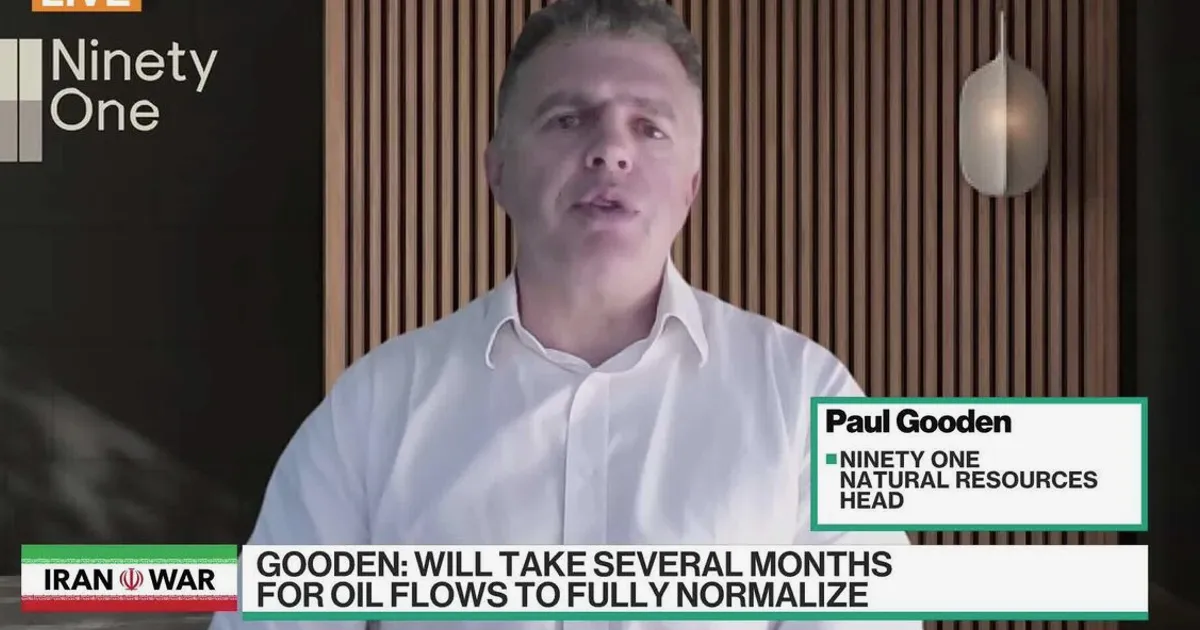
Oil prices steadied on Tuesday after suffering their biggest single-day drop in more than two weeks, as traders paused to assess the potential impact of a US-Iran agreement that could reopen the Strait of Hormuz. The deal, still awaiting final details, is expected to ease supply disruptions that have kept markets on edge. Paul Gooden, Head of Natural Resources at Ninety One, warned that the oil market will live with a 'war hangover' for several years, implying that even with a diplomatic resolution, supply chains and risk premiums may take time to normalize.
The stabilization comes after a sharp selloff triggered by optimism over the US-Iran talks. The Strait of Hormuz, a critical chokepoint for about 20% of global oil transit, has been a major source of uncertainty. Any agreement that restores safe passage through the strait could unlock significant supply, particularly from Iran, which has seen exports constrained by sanctions and conflict. For traders, the key question is how quickly flows can resume and whether OPEC+ will adjust output to accommodate returning Iranian barrels. NowPrice's real-time fuel quotes show Brent crude hovering near $82, with WTI around $78, reflecting cautious positioning.
Looking ahead, market participants will focus on the official text of the US-Iran deal and any timeline for implementation. The next OPEC+ meeting, scheduled for early July, will be crucial in determining whether the group can manage the potential influx of Iranian oil without destabilizing prices. Additionally, weekly US inventory data from the EIA will provide near-term demand signals. While the immediate risk of a supply shock has receded, the structural hangover from years of conflict means volatility is likely to persist.