




Palm Oil Dips on Weaker Crude and Malaysian Production Outlook
Palm oil futures edged lower as weaker crude oil prices and expectations of strong Malaysian output weighed on the market, highlighting the interplay between energy markets and edible oil supply.
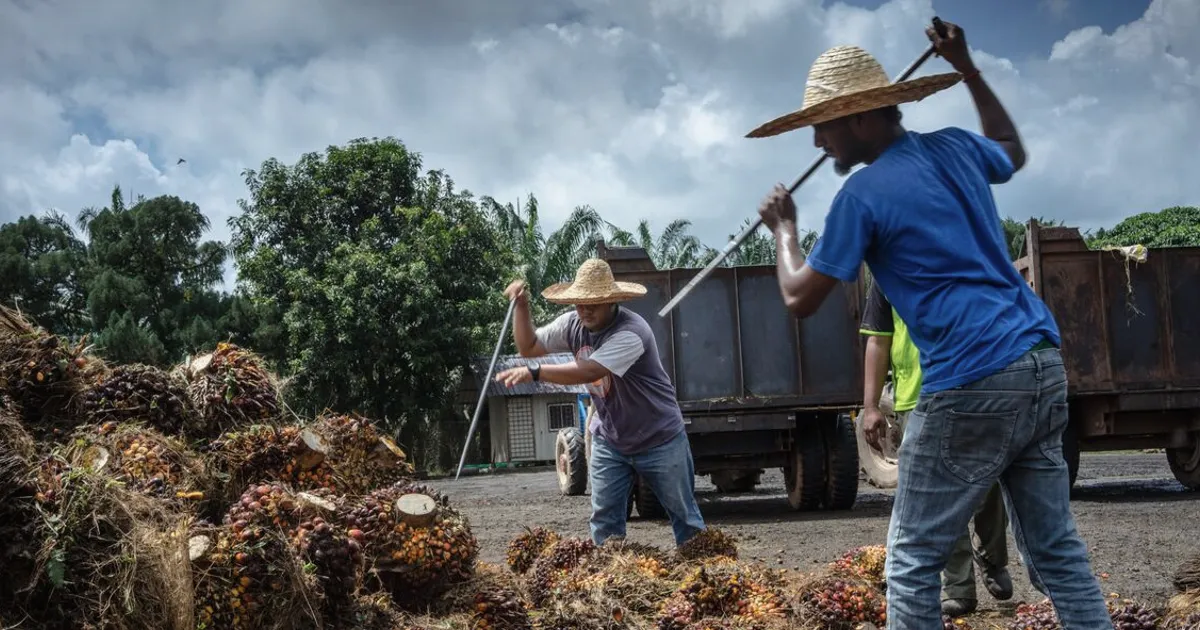
Palm oil futures edged lower on Thursday, pressured by declining crude oil prices and expectations of robust production from Malaysia, the world's second-largest grower. The move reflects the ongoing sensitivity of vegetable oil markets to energy price dynamics and supply-side fundamentals. Crude oil's decline reduces the competitiveness of palm oil as a biodiesel feedstock, as lower energy prices diminish the incentive for blending palm oil-based biodiesel. This dynamic is amplified by the crack spread—the difference between crude oil and refined product prices—which influences refinery margins and biodiesel demand. When crude weakens, biodiesel becomes less economically viable, directly weighing on palm oil consumption. Additionally, market participants are bracing for strong output from Malaysia as the industry enters its peak production season, typically from July to September. Traders can track these price movements in real time on NowPrice's live fuel dashboard, which covers palm oil futures alongside other energy commodities.
The broader context includes the interplay between crude oil and vegetable oil markets, where palm oil often tracks Brent and WTI due to its use as a biodiesel feedstock. OPEC+ spare capacity and Saudi-Russia coordination continue to shape crude supply expectations, while US Strategic Petroleum Reserve levels remain near historic lows after last year's releases. Meanwhile, China's marginal demand for palm oil, driven by its role as a major importer for both food and fuel, adds another layer of sensitivity. The current market structure for crude oil, with backwardation in nearby contracts, suggests near-term tightness, but this has not been enough to support palm oil prices. Malaysian production outlook, combined with weaker crude, has pushed palm oil into a contango-like pattern, where storage economics encourage holding inventories.
Looking ahead, the market will focus on upcoming Malaysian Palm Oil Board (MPOB) data for June, which will provide official production and inventory figures. Any deviation from expectations could trigger sharp moves, especially if output surprises to the upside or stocks build faster than anticipated. Meanwhile, crude oil trends and demand signals from key importers such as India and China will remain critical drivers for palm oil prices in the near term. India's recent edible oil import duties and China's economic recovery pace will be closely watched. The Brent-WTI spread, currently reflecting global supply dynamics, also influences palm oil's relative attractiveness. Traders should monitor OPEC+ meetings and US inventory data for further cues on energy prices, as palm oil remains tethered to crude's trajectory.