




Santander, JPMorgan Lead $1B Financing for TGS Vaca Muerta Pipeline
Santander, JPMorgan and Citigroup are structuring a $1 billion financing package for TGS's pipeline project in Argentina's Vaca Muerta shale, boosting gas transport capacity.
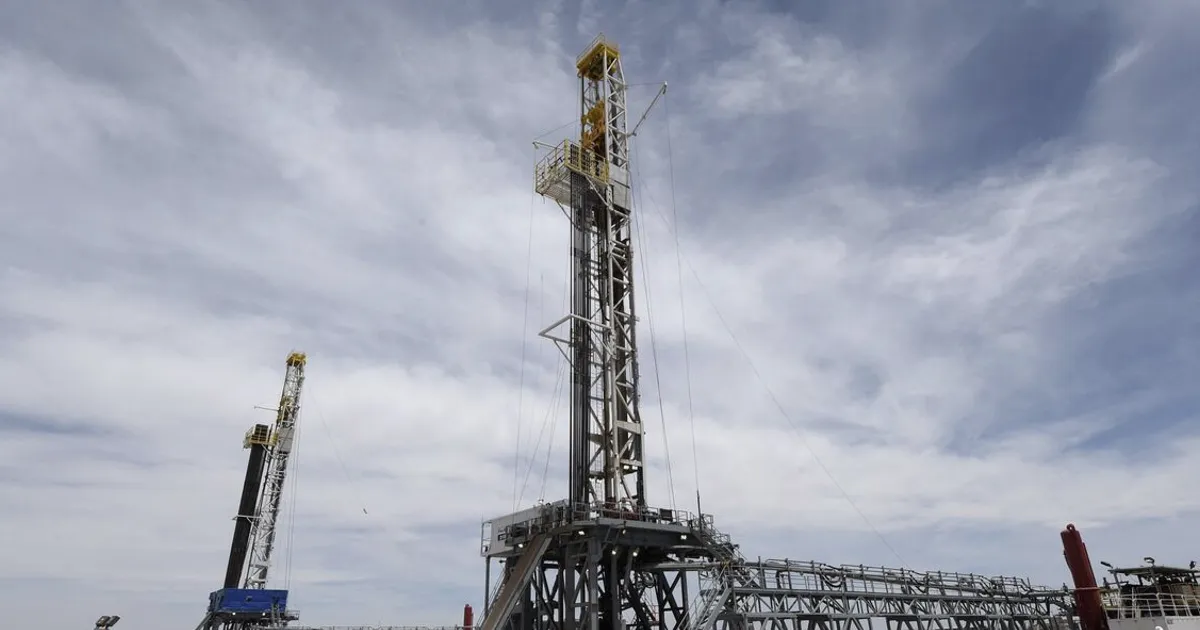
Santander, JPMorgan Chase and Citigroup are working on a roughly $1 billion financing package for a pipeline project by Transportadora de Gas del Sur (TGS) in Argentina's Vaca Muerta shale formation, according to people familiar with the matter. The deal underscores growing international bank appetite for energy infrastructure in the world's second-largest shale gas reserve. Vaca Muerta holds vast untapped resources, and this financing is a critical step toward monetizing them, especially as global natural gas demand remains robust amid tight supply from traditional exporters.
The financing will support TGS's expansion of natural gas transport capacity from Vaca Muerta, which is key to unlocking Argentina's export potential. For energy traders, increased pipeline capacity from the formation could boost Argentine gas flows and tighten regional supply-demand balances. This comes at a time when the Brent-WTI spread has widened due to geopolitical risks, and US SPR levels are being monitored for any emergency releases. Additionally, crack-spread economics have favored natural gas over oil in some regions, making Vaca Muerta's output more attractive. NowPrice's fuel page tracks current natural gas prices and pipeline utilization data for context on how this development may impact markets, including potential shifts in contango or backwardation structures.
Investors will watch for final terms and syndication details in coming weeks. The project also signals confidence in Argentina's energy policy under the current administration, which has prioritized Vaca Muerta development. Any delays or cost overruns could affect TGS's stock and broader sentiment toward Latin American energy infrastructure. Furthermore, the success of this pipeline could influence OPEC+ spare capacity decisions and Saudi-Russia coordination, as increased non-OPEC supply may pressure global prices. China's marginal demand for LNG also remains a wildcard, as any slowdown could reduce the urgency for new export capacity from Argentina.