




Xcel CEO Frenzel: Investing in Wind, Solar for a Modern Grid
Xcel Energy CEO Bob Frenzel says the company is investing across wind and solar to build a more resilient grid, while noting natural gas prices have remained stable despite rising oil prices from US-Iran tensions.
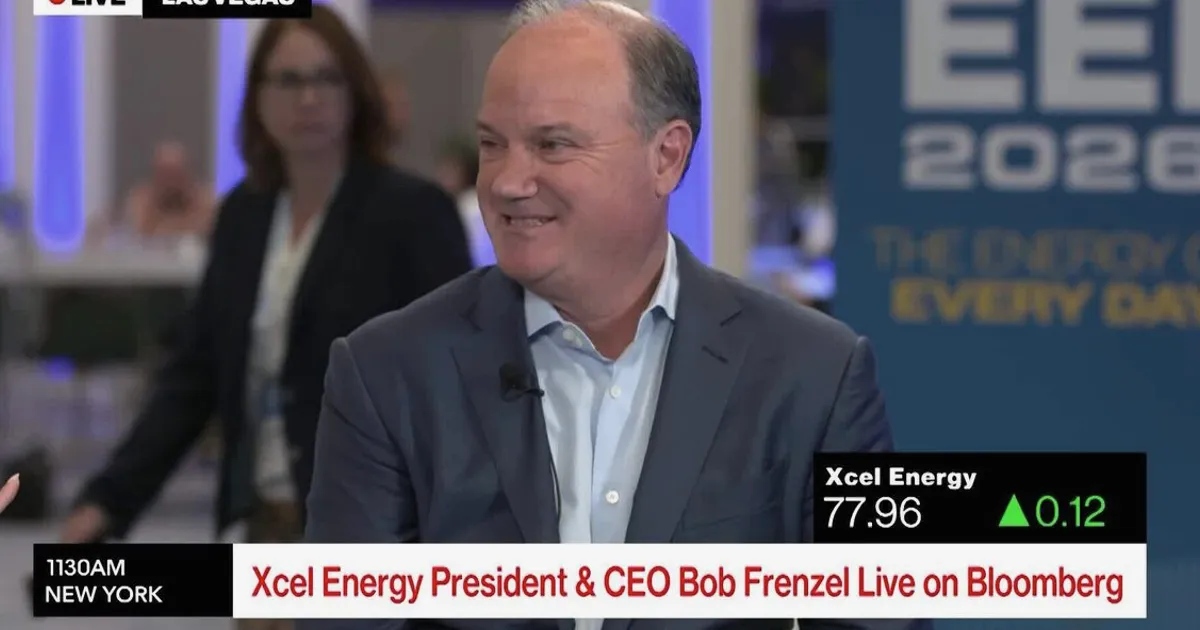
Xcel Energy CEO Bob Frenzel said the company is investing across a wide range of energy sources, including wind and solar, to build what he described as a 'more modern, more resilient, more sustainable grid of the future.' Speaking to Bloomberg, Frenzel emphasized the utility's commitment to diversifying its generation portfolio amid evolving energy demands. This strategy comes as the U.S. power sector faces increasing pressure to decarbonize while maintaining reliability, with Xcel targeting 80% carbon-free electricity by 2030. The company's investments span wind farms in the Upper Midwest and solar projects in the Southwest, supported by federal tax credits from the Inflation Reduction Act.
For energy traders, the stability of natural gas prices highlighted by Frenzel is a key signal. While oil prices have risen due to geopolitical tensions between the US and Iran, natural gas markets have shown little fluctuation, suggesting ample supply and limited direct impact from the conflict. This divergence between crude and gas prices can influence trading strategies, particularly for those monitoring the oil-to-gas spread. The Brent-WTI spread has widened slightly on Middle East risk, while Henry Hub gas remains anchored near $2.50/MMBtu due to record production and mild weather. The crack spread—the refining margin between crude and products—has also shifted, with gasoline margins compressing as summer demand wanes. Meanwhile, the US Strategic Petroleum Reserve stands at about 370 million barrels, providing a buffer against supply disruptions. OPEC+ spare capacity, largely held by Saudi Arabia and the UAE, remains above 5 million barrels per day, capping crude's upside. In contrast, natural gas markets are in contango, reflecting ample storage levels at 12% above the five-year average. China's marginal demand for LNG has softened amid economic slowdown, further weighing on gas prices. Saudi-Russia coordination within OPEC+ continues to influence crude output, but the gas market remains largely decoupled from these geopolitical moves.
Looking ahead, market participants will watch for further developments in US-Iran relations and their effect on energy prices. Any escalation could disrupt crude flows through the Strait of Hormuz, potentially pushing oil higher and widening the Brent-WTI spread. Additionally, Xcel's continued investment in renewables could signal long-term shifts in power generation, potentially affecting natural gas demand in the utility sector. Traders should monitor capacity additions and regulatory changes that may alter the energy mix, as well as the pace of LNG export capacity growth, which could tighten domestic gas balances. The upcoming winter heating season will be a key test for gas storage levels, while OPEC+ decisions on output quotas will remain a focal point for crude markets. NowPrice's real-time fuel quotes provide the latest levels for traders tracking these movements.