




Oil trapped behind Hormuz is not spare capacity, Kuwait warns
Kuwait warns that oil trapped behind the Strait of Hormuz cannot be considered spare capacity, as production recovery will take 10-12 weeks after the strait reopens, challenging the glut narrative.
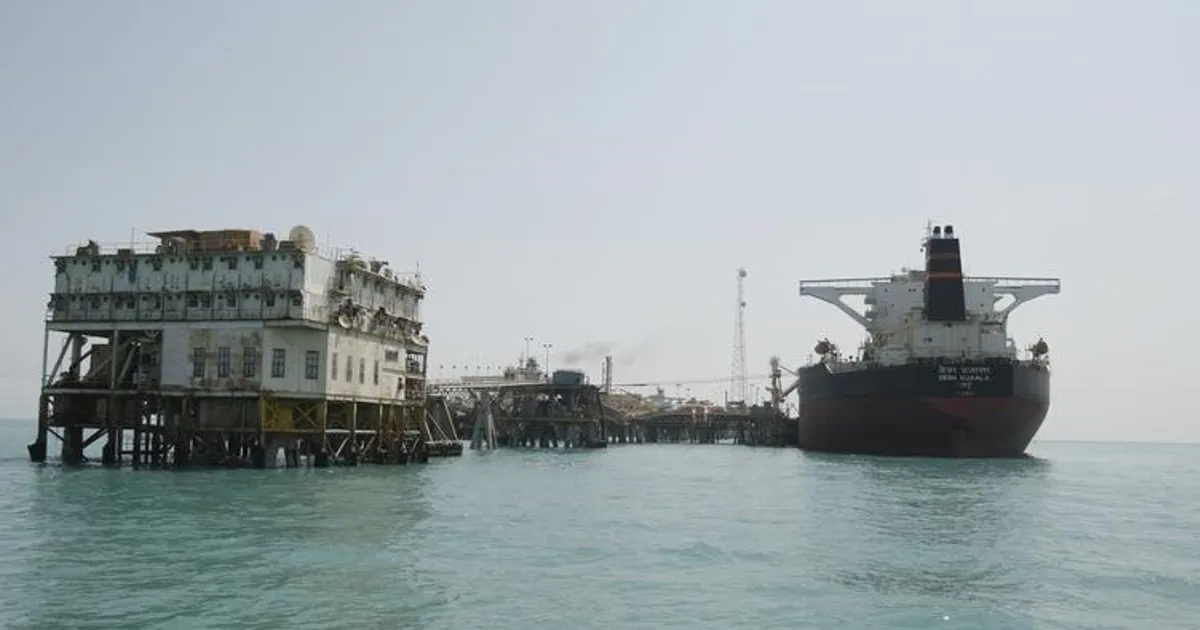
Kuwait has warned that oil trapped behind the Strait of Hormuz cannot be considered spare capacity, as production recovery will take 10-12 weeks after the strait reopens, challenging the prevailing glut narrative.
Kuwait's oil minister stated that even after the Strait of Hormuz reopens, it will take 10 to 12 weeks for oil production to return to normal levels. This contradicts the widespread assumption that oil trapped behind the strait represents readily available spare capacity that can quickly flood the market. The statement comes as traders had been preparing for a glut in 2026, with supply growth expected to outpace demand, OPEC+ gradually returning barrels, and US production near record highs. However, the logistical bottleneck at Hormuz means that a significant volume of oil is effectively offline for an extended period, tightening physical supply.
For oil traders, this development upends the bearish consensus. The delay in restoring production from behind Hormuz means that the expected surplus may not materialize as quickly or as large as anticipated. This could support crude prices in the near term, especially if demand remains resilient. NowPrice's real-time fuel quotes show Brent crude trading near $75 per barrel, reflecting the market's reassessment of supply risks. The situation also highlights the vulnerability of global oil supply to chokepoint disruptions, a factor that could add a risk premium to prices.
Looking ahead, traders should monitor the timeline for Hormuz reopening and the actual pace of production recovery in Kuwait and other affected producers. Any further delays or geopolitical tensions could exacerbate the supply tightness. Additionally, demand data from key consumers like China and the US will be crucial to gauge whether the market can absorb the eventual return of these barrels. The coming weeks will test the resilience of the current supply-demand balance.