




South Korea Producer Prices Jump Most Since 2022 on Energy Costs
South Korea's producer prices rose at the fastest pace in nearly four years in May, driven by higher energy costs, signaling persistent inflationary pressures that could influence the Bank of Korea's policy stance.
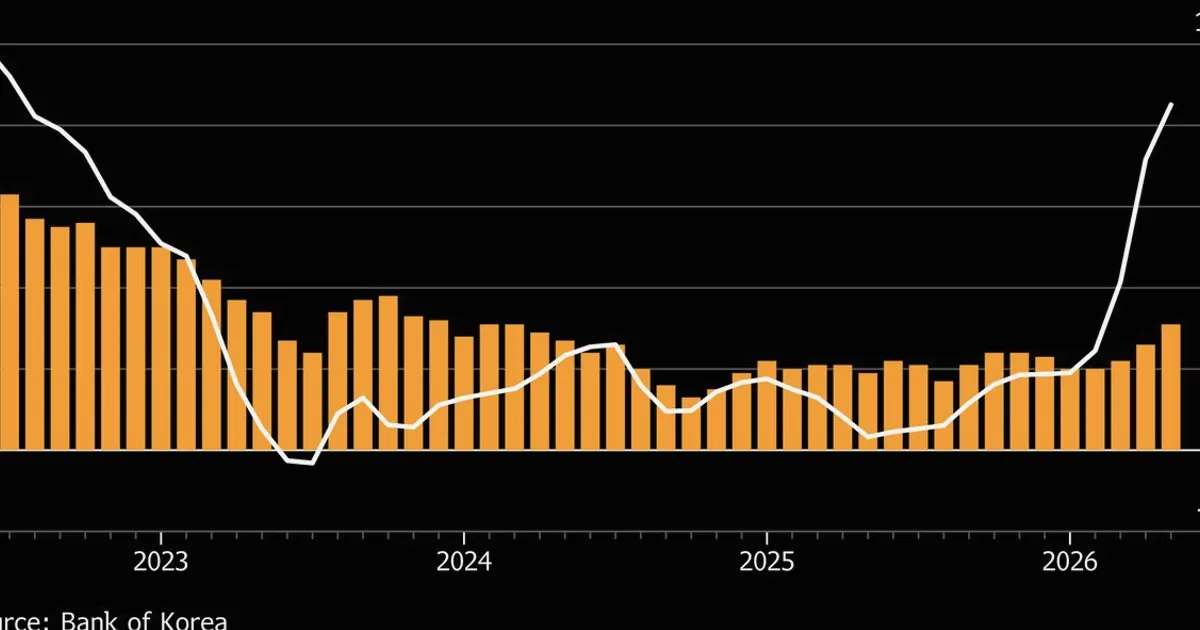
South Korea's producer prices rose in May at the fastest pace in nearly four years, driven by higher energy costs and broad-based industrial price increases. The data underscore lingering inflationary pressures in the export-dependent economy, as global energy markets remain elevated. The producer price index increased by 2.3% year-on-year, the largest gain since August 2022, with petroleum and chemical products leading the surge. This reflects the pass-through of higher crude oil and natural gas costs, as South Korea imports nearly all of its energy needs. The jump in producer prices is particularly relevant for fuel traders, as it signals that refined product prices may face upward pressure in coming months, potentially impacting margins for refiners and importers. South Korea, a major importer of energy, is highly sensitive to global price swings, and the data suggests that domestic fuel costs could rise further if global benchmarks remain elevated. For traders monitoring NowPrice's real-time fuel quotes, this trend is critical: higher producer prices often translate into higher consumer fuel prices, squeezing margins for downstream players. The crack spread—the difference between crude oil and refined product prices—has widened recently, indicating stronger refining margins but also higher costs for end-users. Meanwhile, the Brent-WTI spread has narrowed, reflecting tighter global supply dynamics, while OPEC+ spare capacity remains a key variable. The US Strategic Petroleum Reserve (SPR) stands at around 370 million barrels, down from 638 million in 2020, limiting the ability to buffer price spikes. In South Korea, the government may consider temporary tax cuts or subsidies to ease the burden, but such measures have limited impact if global prices remain high. Looking ahead, market participants will watch for any policy response from the Bank of Korea, which has maintained a cautious stance amid inflation concerns. The central bank has kept interest rates at 3.5% since early 2023, and any shift could affect the won's exchange rate and import costs. Additionally, global energy supply dynamics, including OPEC+ production decisions and geopolitical risks, will be key drivers for South Korean producer prices in the near term. Saudi-Russia coordination remains tight, with both nations favoring output restraint to support prices. China's marginal demand for crude, which has been sluggish due to economic slowdown, could also weigh on global prices. In the futures market, the contango structure has flattened, suggesting that traders expect near-term supply to remain adequate, but backwardation could emerge if demand picks up. For fuel traders, the key takeaway is that South Korean producer prices are a leading indicator for regional fuel costs, and the current trend points to sustained upward pressure on refined products.