




Philippine, Thai Earnings Hit Hardest by Iran War Fuel Crisis
Philippine and Thai companies face the steepest earnings downgrades in Southeast Asia as the Iran war disrupts oil flows through the Strait of Hormuz, raising fuel costs and squeezing margins.
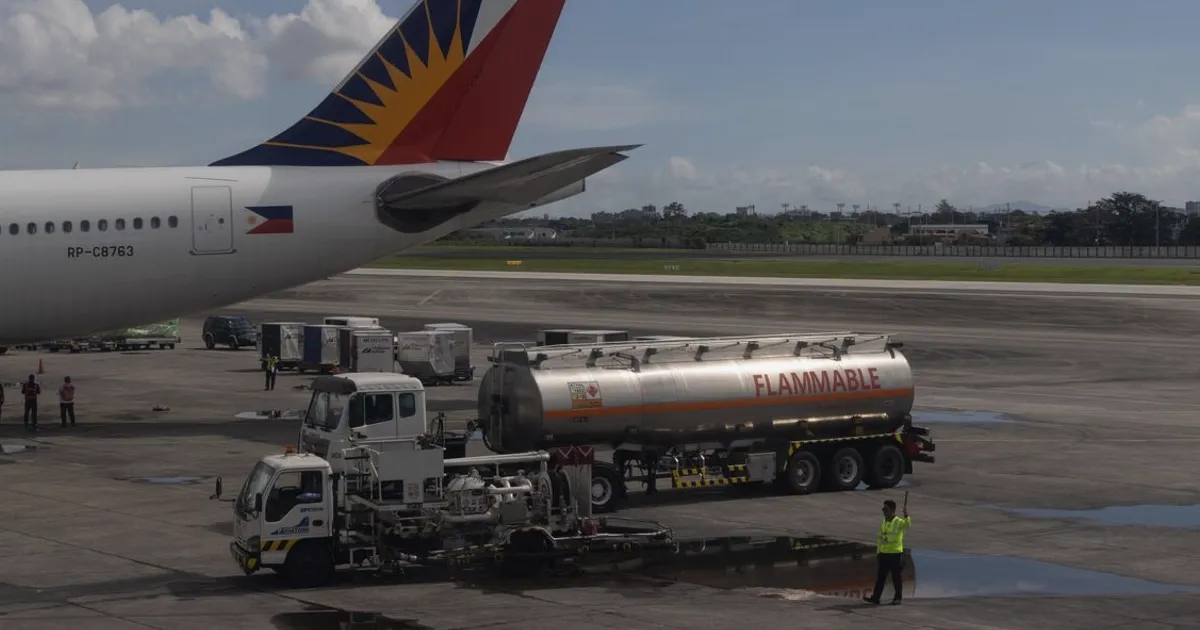
Philippine and Thai companies are bearing the brunt of earnings downgrades across Southeast Asia, as their economies rely heavily on oil and gas choked off by the closure of the Strait of Hormuz. The Iran war has disrupted a critical chokepoint for global crude shipments, sending fuel costs soaring and squeezing corporate margins in import-dependent nations.
For oil and gas traders, the Strait of Hormuz closure is a supply-side shock that reverberates through the entire energy complex. Philippine and Thai refiners face higher input costs, while airlines, logistics firms, and manufacturers see their fuel bills spike. The earnings downgrades reflect a broader trend: countries with limited domestic energy production and high reliance on Middle Eastern crude are most vulnerable. Live fuel prices and charts on NowPrice show how the market is reacting, with Brent crude premiums widening and regional diesel cracks strengthening as supply fears mount.
Looking ahead, traders will watch for any diplomatic progress on reopening the strait, as well as the pace of strategic petroleum reserve releases by affected nations. The duration of the disruption will determine whether earnings downgrades deepen or stabilize. Key data points include weekly US crude inventories, OPEC+ spare capacity utilization, and the Brent-WTI spread, which may signal further stress in global supply chains.