




Strait of Hormuz Traffic Plunges as Safety Fears Persist After Ship Strikes
Daily ship movements through the Strait of Hormuz have fallen from over 140 in February to around 30-40 after recent attacks, raising supply risks for global oil markets.
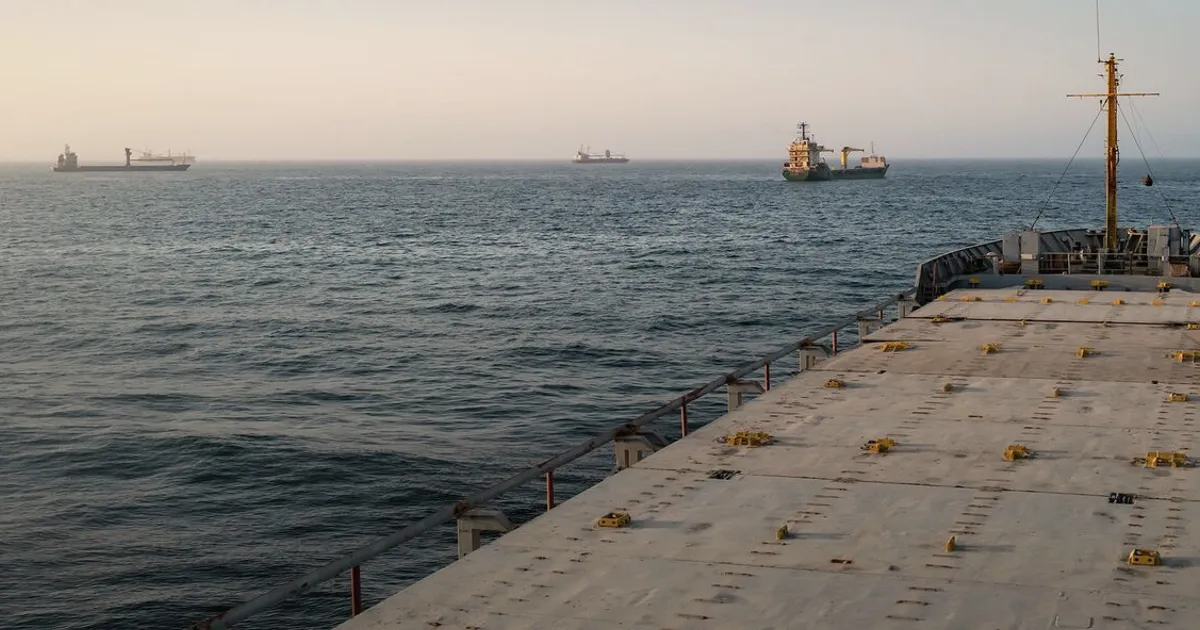
Daily ship movements through the Strait of Hormuz have plunged from over 140 in February to approximately 30-40 currently, following a ship strike on Thursday and another incident over the weekend, according to Bloomberg. Despite some vessels continuing to travel on both the Iranian and Omani sides, overall traffic remains significantly reduced as safety concerns persist. The Strait is a narrow 21-mile-wide passage connecting the Persian Gulf to the Gulf of Oman, and its partial closure disrupts the flow of crude from major producers like Saudi Arabia, Iraq, and the UAE, which together pump about 20 million barrels per day through this route.
For oil and energy traders, the Strait of Hormuz is a critical chokepoint through which about 20% of global oil supply passes. The sharp drop in traffic signals that ship owners, captains, and energy exporters are reassessing the risks of passage. This could lead to higher insurance premiums, longer alternative routes around the Cape of Good Hope or via the Red Sea, and potential supply disruptions, all of which support crude prices. The Brent-WTI spread may widen as European and Asian refiners scramble for alternative supplies, while US crude exports could benefit from the dislocation. Traders can monitor real-time pricing on NowPrice's fuel page to gauge market reactions, as crack spreads for gasoline and diesel may also spike if refinery runs are curtailed.
Looking ahead, market participants will watch for further incidents and any official statements from Iran or Oman regarding maritime security. The key question is whether traffic levels will recover or remain depressed, which could have lasting implications for global oil supply and tanker rates. Any escalation in the region would likely push oil prices higher, while a return to normal traffic could ease concerns. OPEC+ spare capacity, currently estimated at around 4-5 million barrels per day, could be tapped to offset losses, but Saudi-Russia coordination may limit the response. Meanwhile, China's marginal demand for crude remains a wildcard, and the contango structure in futures could deepen if storage becomes profitable again. The US Strategic Petroleum Reserve, now at its lowest since the 1980s, offers limited buffer against a prolonged disruption.