




US-Iran Deal Sets a Higher Floor Under Oil Prices
The US-Iran deal is expected to end the worst of the Middle East crisis, but analysts see a long recovery process that could keep oil prices supported despite a looming glut.
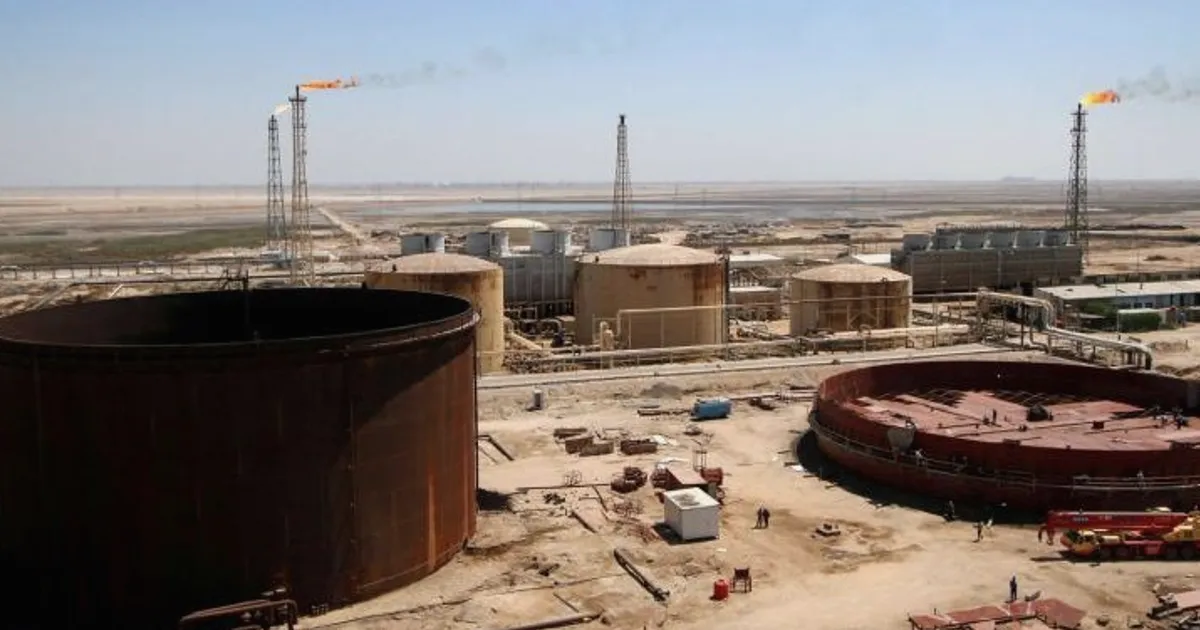
The US-Iran deal is reshaping the outlook for oil markets, with analysts now expecting a higher floor under prices even as a supply glut looms next year.
The agreement, which aims to de-escalate tensions in the Middle East, is seen as ending the worst of the regional crisis. However, the path to normalizing oil flows is long. The deal marks the beginning of complex negotiations, the reopening of the Strait of Hormuz, and the recovery of over 13 million barrels per day (bpd) of shut-in production in the Middle East. Global inventories are low, except in China, and refilling them will support prices for months if the deal holds. Analysts had been forecasting a large oil glut in 2027, but the deal's gradual implementation could moderate the downside.
For energy traders, the key implication is that the risk premium from Middle East disruptions is fading, but the supply recovery will be slow. The Brent-WTI spread may narrow as US production remains steady while Middle East flows resume gradually. NowPrice live fuel prices and charts show how the market is pricing in this shift, with crude futures reacting to each development. The deal also affects OPEC+ dynamics, as the return of Iranian barrels could complicate quota agreements.
Looking ahead, traders should watch for concrete steps in the negotiations, including the timeline for lifting sanctions and the pace of Iranian export recovery. Key data points include weekly US inventory reports and OPEC+ meeting outcomes. If the deal holds, the focus will shift to demand growth, particularly from China, as the marginal buyer. The contango structure in futures may persist as inventories are rebuilt, offering storage opportunities.