




BOJ front-loading bets rise as AI demand and inflation risks mount
Analysts at Daiwa suggest the BOJ is shifting from debating whether to hike to how quickly to front-load, as AI-driven demand and inflation risks narrow the space for patience, with JGB markets facing tapering risks from April 2027.
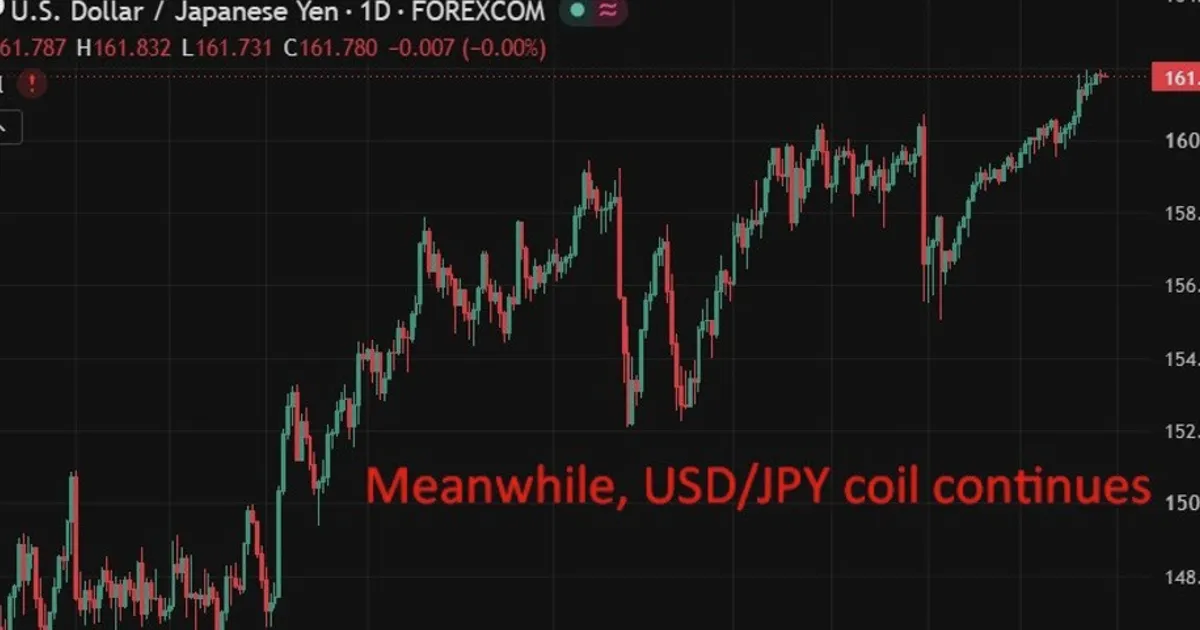
The Bank of Japan is increasingly expected to front-load rate hikes as AI-driven demand and persistent inflation risks reshape the policy debate, according to analysts at Daiwa Securities. The shift in market pricing reflects a growing view that the BOJ's assessment framework is moving beyond a simple real interest rate gauge toward a broader reading of financial conditions, including asset prices, lending volumes, and funding costs.
The debate has moved from "whether to hike" to "how much and how quickly to front-load," Daiwa analysts wrote, signaling a more aggressive timeline than previously anticipated. A weak yen continues to sustain import cost pressure, while break-even inflation rates are rising and AI-driven demand is pushing up the output gap. These factors narrow the space for the BOJ's hawkish members to remain patient, increasing the likelihood of faster adjustments. For currency traders, this shift has direct implications for yen crosses, as a more hawkish BOJ could narrow rate differentials with the US and other major economies, potentially supporting the yen. Traders can monitor live yen pricing on NowPrice's fx page to gauge market reactions.
Looking ahead, JGB markets face a distinct risk from the April 2027 tapering schedule, which could amplify volatility in bond yields and spill over into currency markets. The market will also watch for any changes in the BOJ's language around financial conditions, as a broader framework could justify faster normalization. Key data releases, including inflation and output gap figures, will be critical in determining the pace of front-loading. If the BOJ signals a more aggressive path, yen bulls may find renewed momentum, while any dovish surprises could trigger a selloff in the currency.