




Bolivia Abandons 15-Year Dollar Peg, Boliviano Set for 30% Free Float Plunge
Bolivia ended its 15-year dollar peg, allowing the boliviano to float freely, with the currency expected to depreciate around 30% as the parallel market rate converges.
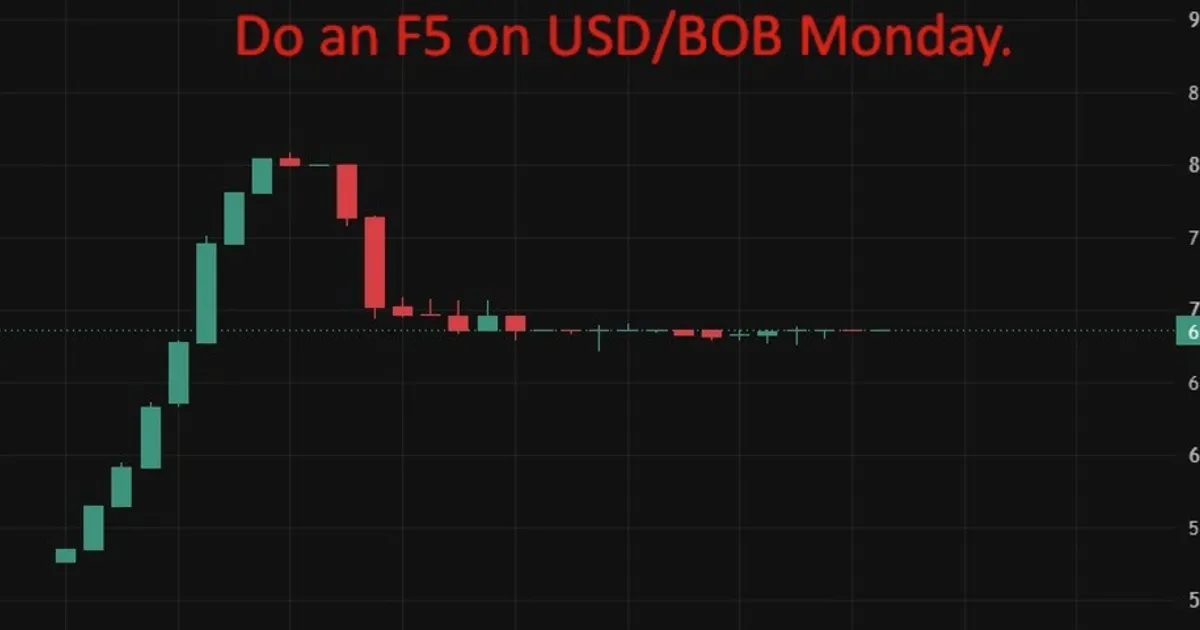
Bolivia has abandoned its 15-year dollar peg, allowing the boliviano to float freely in a move that is expected to trigger a sharp depreciation of around 30% against the US dollar.
The central bank's decision ends a fixed exchange rate regime that had been in place since 2011, under which the boliviano was held at roughly 6.9 per dollar. In recent months, a severe shortage of foreign reserves had driven a parallel market where the boliviano traded as weak as 20 per dollar. The new official rate is expected to settle near 9.73, representing a partial convergence with the black market but still implying a significant devaluation from the old peg. The move comes amid mounting pressure on Bolivia's external accounts, with importers struggling to access dollars and inflation accelerating.
For foreign exchange and currencies traders, Bolivia's depeg is a stark reminder of the risks inherent in managed exchange rate regimes under reserve stress. The boliviano's free float introduces a new source of volatility in the emerging market FX space, particularly for Latin American currencies. The immediate market reaction will likely focus on the degree of overshooting, as thin liquidity and uncertainty about the central bank's intervention strategy could amplify moves. Traders can monitor the boliviano's price action on NowPrice's live FX dashboard to track the currency's adjustment in real time. The event also highlights the broader theme of reserve adequacy, as other managed currencies with dwindling reserves may come under similar pressure.
Looking ahead, the key signal for the sustainability of the new regime will be the progress of IMF financing talks, with estimates suggesting Bolivia needs at least $2.5 billion to rebuild reserves. Without a credible reserve buffer, a managed float can quickly become a disorderly one, especially given the country's high import dependency and the risk of inflation pass-through. Political opposition from labour groups adds further uncertainty, as social unrest could undermine policy credibility. Traders should watch for any signs of capital controls or further FX intervention, as well as upcoming inflation data, which will test the central bank's commitment to the float.