




Oil shock torpedoes NZ recovery, sends inflation surging: IMF
The IMF warns that an oil-driven inflation spike to 4% and a likely Q2 contraction complicate the RBNZ's path to neutral, keeping rate cut expectations in check.
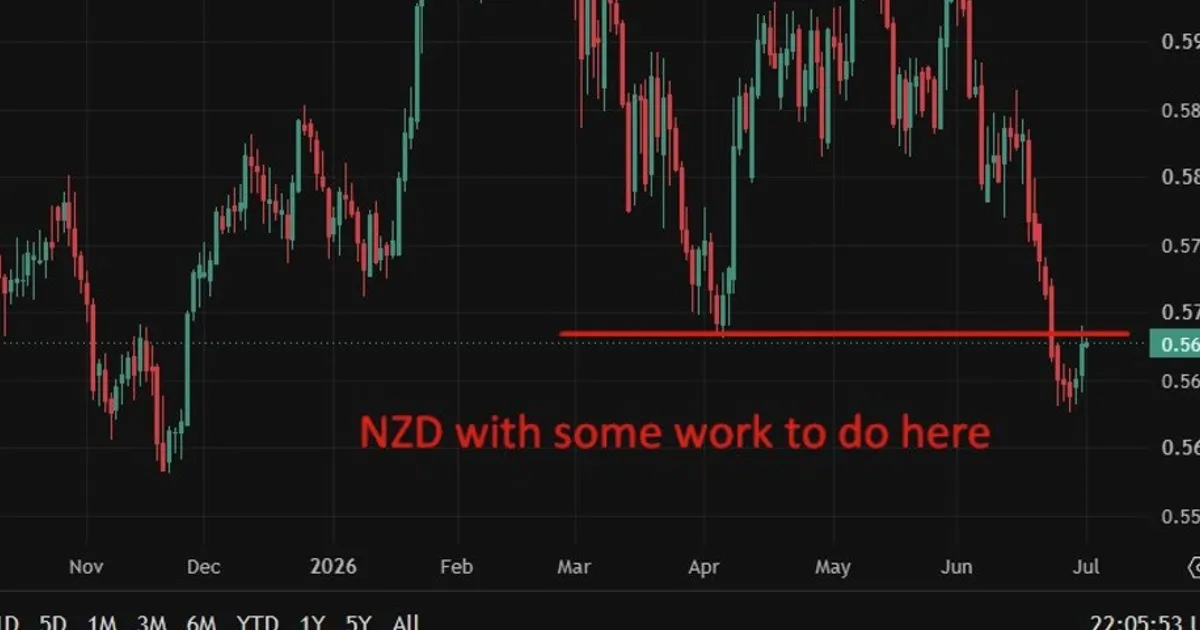
The International Monetary Fund has warned that an oil price shock is threatening New Zealand's economic recovery, pushing inflation toward 4% and raising the risk of a second-quarter contraction. The assessment complicates the Reserve Bank of New Zealand's path back to neutral policy, keeping near-term rate cut expectations in check even as growth disappoints.
The IMF's latest review highlights that a temporary surge in oil prices is driving inflation well above the RBNZ's target band, while the economy may contract in Q2. This stagflation-adjacent scenario creates a dilemma for the central bank: easing too soon could fuel inflation, while staying tight risks deepening the downturn. For currency traders, the kiwi dollar is likely to remain under pressure as the RBNZ is seen as less able to cut rates aggressively compared to other central banks. The interest rate differential between New Zealand and its peers may narrow, reducing the carry appeal of the NZD. Traders can monitor real-time NZD/USD quotes on NowPrice for the latest levels.
Looking ahead, the RBNZ will likely adopt a more cautious, data-dependent stance, with no clear pivot in either direction. Key data releases to watch include Q2 GDP figures and monthly inflation prints, which will determine whether the oil shock is truly transitory. The IMF also called for rebuilding fiscal buffers, though this is unlikely to move markets significantly. For now, the kiwi remains sensitive to oil price dynamics and global risk sentiment, with any further spike in crude potentially exacerbating the stagflationary risks.