




China Manufacturing PMI Caps Strongest Quarter Since 2020
China's manufacturing PMI eased to 51.7 in June, a three-month low, but still capped the strongest quarter for the sector since Q4 2020, signaling resilient growth despite softening external demand.
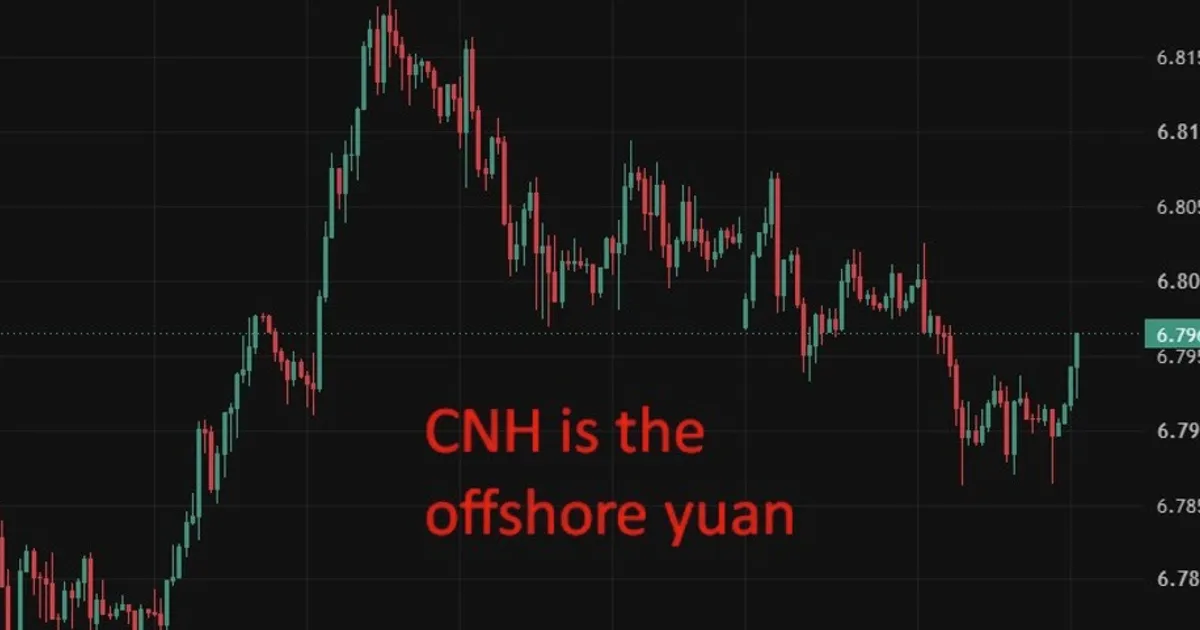
China's manufacturing sector posted a PMI reading of 51.7 in June, easing from May but still marking the strongest quarter for the industry since the fourth quarter of 2020. The data confirms that the recovery in Chinese manufacturing remains on track, even as the headline print slipped to a three-month low. The PMI, which tracks factory activity, has now stayed above the 50-point expansion threshold for eight consecutive months, signaling sustained growth. The quarterly average of 52.0 is the highest since Q4 2020, when the economy rebounded sharply from the initial COVID-19 shock. This resilience comes despite headwinds from a slowing property sector and subdued global trade, underscoring the strength of domestic industrial demand.
The combination of slowing input cost inflation and accelerating job creation is a favorable mix for corporate margins and supports the read-through to broader China demand indicators. Input prices eased to 52.3 from 54.2 in May, reflecting lower commodity costs, while the employment sub-index rose to 50.8, its highest in 14 months, indicating factories are hiring more. However, the continued fall in new export orders—now a second straight month—flags external demand as the weaker leg of the recovery. The export orders index slipped to 49.8, below the neutral 50 mark, suggesting that global demand, particularly from the US and Europe, remains tepid. Traders tracking China-sensitive assets can monitor the latest PMI data on NowPrice's live rates dashboard to gauge real-time market reactions. For bond markets, the data may influence expectations for People's Bank of China policy, as the central bank balances support for growth with financial stability.
Looking ahead, the softening of 12-month sentiment to its lowest since January is worth noting for anyone using this print to extrapolate momentum into the second half of the year. The future output index fell to 58.1 from 59.2, signaling that manufacturers are less optimistic about the outlook, possibly due to trade uncertainties and domestic demand concerns. Key data releases to watch include China's trade figures and industrial production reports, which will provide further clues on the durability of the manufacturing rebound. Additionally, the upcoming Third Plenum in July may unveil new policy measures to sustain growth. For global investors, the interplay between China's recovery and the Fed's dual mandate—maximum employment and price stability—remains crucial, as tighter US monetary policy could dampen demand for Chinese exports. Any divergence in central bank paths could impact currency and bond markets, with the yield curve and term premium reflecting shifting risk assessments.