




Dollar Bulls Most Confident Since 2015 on Fed Rate Hike Bets
Traders are the most bullish on the dollar since 2015 as expectations of prolonged elevated Fed rates drive a sustained rally in the US currency.
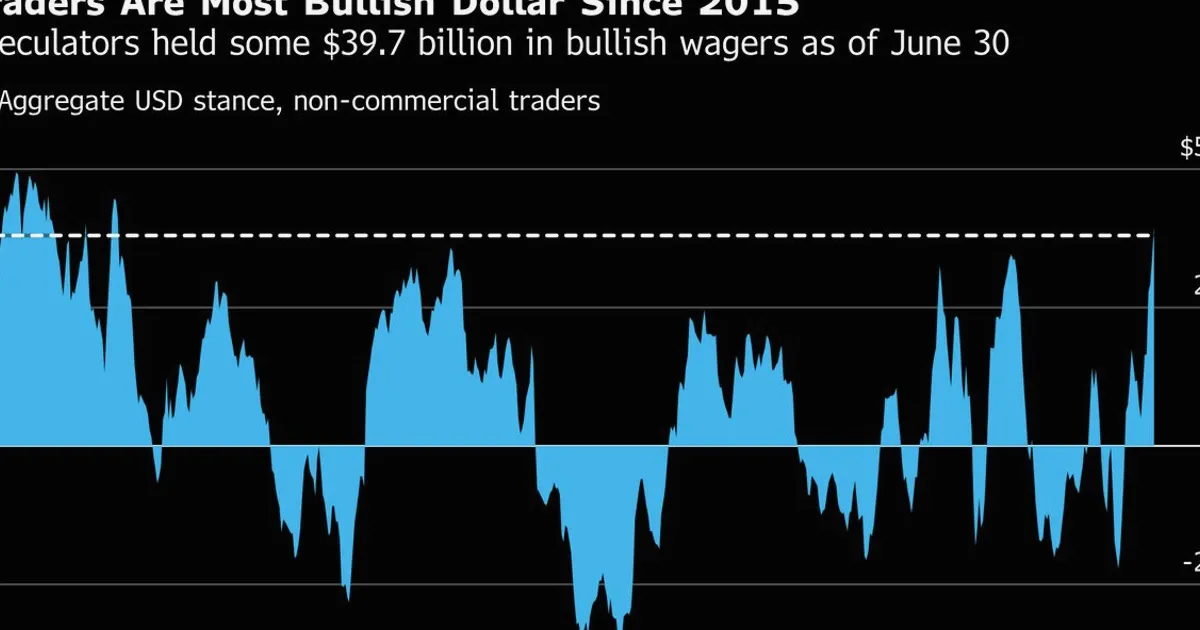
Global traders have turned the most bullish on the dollar since 2015, driven by expectations that the Federal Reserve will keep borrowing costs elevated for longer. This sentiment shift has fueled a monthlong rally in the US currency, reflecting a broad reassessment of the rate outlook. The dollar index, which measures the greenback against a basket of six major peers, has climbed steadily as markets price in a higher terminal rate and a delayed start to the easing cycle. The last time positioning was this stretched was in 2015, just before the Fed's first rate hike in nearly a decade, underscoring the significance of the current consensus.
The dollar's strength is closely tied to the Fed's policy trajectory. With inflation still above target and the labor market tight, the Fed has signaled a cautious approach to rate cuts, if any. Higher-for-longer rates increase the dollar's yield advantage over other major currencies, attracting capital inflows. This dynamic is a key driver for currency traders, who should monitor NowPrice's rates page for real-time pricing on dollar pairs and US Treasury yields. The Fed's dual mandate—maximum employment and price stability—remains in focus, as strong jobs data and sticky core inflation argue against premature easing. Meanwhile, the yield curve has been inverted for over a year, a classic recession signal that historically precedes dollar weakness, but the current inversion is driven by term premium compression rather than pure rate-cut expectations. The Fed's quantitative tightening, which reduces reserve balances, also supports the dollar by tightening financial conditions. In contrast, the European Central Bank faces a more challenging growth outlook, and the ECB's Transmission Protection Instrument has yet to be tested, limiting euro upside. Swap spreads have widened, reflecting funding stress that often correlates with dollar demand.
Looking ahead, traders will focus on upcoming US inflation data and Fed speeches for clues on the pace of policy normalization. Key levels to watch include the dollar index's recent highs, as a break above could signal further upside. Any dovish surprise, however, could trigger a sharp reversal, given the crowded long positioning. The next catalyst is the consumer price index release, which will test the narrative of persistent inflation. If core CPI prints above 0.3% month-over-month, the dollar could extend gains; a miss below 0.2% might spark profit-taking. Fed Chair Powell's testimony next week will also be scrutinized for any shift in tone. With positioning at extremes, the risk of a snapback is elevated, especially if global risk appetite improves or other central banks signal a more hawkish stance.