




High Yields Lure Global Bond Inflows Into Indonesia
Global investors are increasing purchases of Indonesian sovereign bonds, attracted by some of the highest yields in emerging Asia as expectations grow that the central bank's rate hiking cycle is nearing its end.
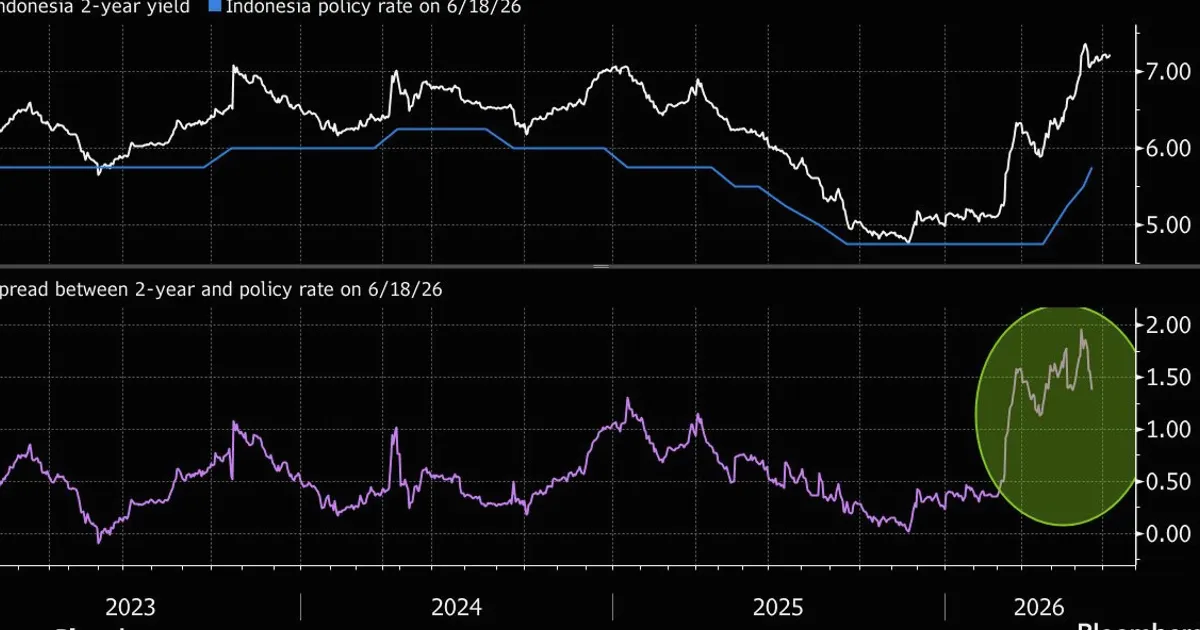
Global inflows into Indonesian sovereign bonds are set to continue, as investors see value in some of emerging Asia's highest yields amid expectations that the central bank's aggressive rate hiking cycle is nearly over.
Indonesia's bond market has attracted significant foreign capital this year, with yields on benchmark 10-year government bonds hovering around 7%, among the highest in the region. The appeal is driven by Bank Indonesia's tightening campaign, which has lifted rates by 225 basis points since mid-2025 to combat inflation. However, with inflation showing signs of easing and the economy facing headwinds from global demand, many market participants anticipate that the central bank will pause or even reverse course in the coming months. For rates traders, this dynamic creates a compelling carry trade opportunity: borrowing in low-yielding currencies to invest in Indonesian rupiah-denominated bonds. The widening yield differential between Indonesia and developed markets, particularly the US, has been a key driver of inflows. NowPrice's real-time rates data shows the Indonesia-US 10-year yield spread currently stands at over 400 basis points, near its widest level in two years, underscoring the attractiveness of Indonesian debt.
Looking ahead, the sustainability of these inflows will depend on Bank Indonesia's policy path and global risk sentiment. Key data to watch include Indonesia's July inflation report due later this month, which could confirm the disinflation trend, and the US Federal Reserve's next rate decision, as a more dovish Fed would further boost demand for EM yields. Any signs of a hawkish surprise from Bank Indonesia could reinforce inflows, while a sharp reversal in global risk appetite might trigger outflows. Traders should monitor the rupiah's stability, as currency weakness could erode returns for foreign investors.