




Indian Households Expect Inflation to Spike, Confidence Wanes
Indian households expect inflation to accelerate through the year, driven by US-Iran tensions and below-normal monsoon, according to RBI surveys, dampening consumer confidence.
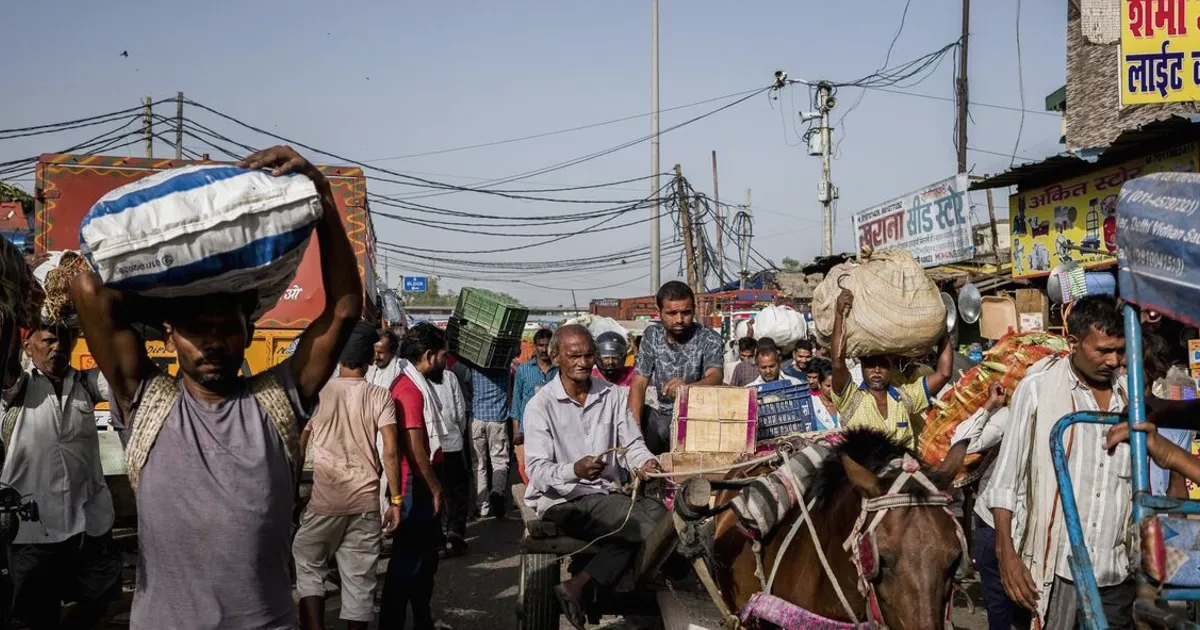
Indian households expect inflation to accelerate through the year, according to the Reserve Bank of India's latest surveys, highlighting concerns over the US-Iran conflict and below-normal monsoon predictions. Consumer confidence has also waned, reflecting growing unease about the economic outlook. The RBI's survey data points to rising inflation expectations, which could complicate the central bank's monetary policy stance. If inflation picks up, the RBI may be forced to hold rates steady or even hike, despite slowing growth. This would weigh on bond markets, where yields have already been sensitive to global oil price shocks and domestic supply constraints. Traders should monitor real-time rates on NowPrice for the latest yield movements on Indian government bonds.
The inflation expectations data is critical because it directly influences the RBI's policy decisions under its inflation targeting framework, which mandates keeping headline CPI inflation within a 2-6% band. A spike in expectations could erode the credibility of the central bank's commitment to price stability, forcing it to prioritize inflation control over growth support. This is reminiscent of the classic central bank dilemma: the dual mandate trade-off, though the RBI's primary mandate is inflation targeting. In bond markets, rising inflation expectations typically lead to higher term premiums as investors demand compensation for eroding purchasing power, steepening the yield curve. The recent US-Iran tensions have already pushed up global crude oil prices, a key input for Indian inflation, while below-normal monsoon forecasts threaten food prices, which have a large weight in the CPI basket. These supply-side shocks are difficult for monetary policy to address without hurting growth, as they are not demand-driven. The RBI's balance sheet and liquidity operations also come into play: if the central bank tightens policy to curb inflation, it could drain banking system liquidity, pushing up short-term rates and potentially inverting the yield curve if long-term rates do not rise as much. Swap spreads may widen as hedging costs increase, reflecting heightened uncertainty.
Looking ahead, the key data points to watch are the actual monsoon progress, global crude oil prices, and the RBI's next policy meeting. Any deviation from normal rainfall could exacerbate food inflation, while a sustained rise in oil prices would feed into broader price pressures. The RBI's inflation targeting framework will be tested if these risks materialize, potentially leading to a more hawkish tone in future communications. Additionally, the European Central Bank's transmission protection mechanism, while not directly affecting India, serves as a reminder of how central banks globally are grappling with similar trade-offs. For traders, real-time NowPrice data on Indian government bond yields, swap rates, and inflation-indexed securities will be essential to navigate the evolving landscape.