




History shows semiconductor stock plunges often reverse quickly
A review of 17 similar one-day plunges in semiconductor stocks over the past 15 years suggests that such declines are often short-lived, with the sector typically rebounding within weeks.
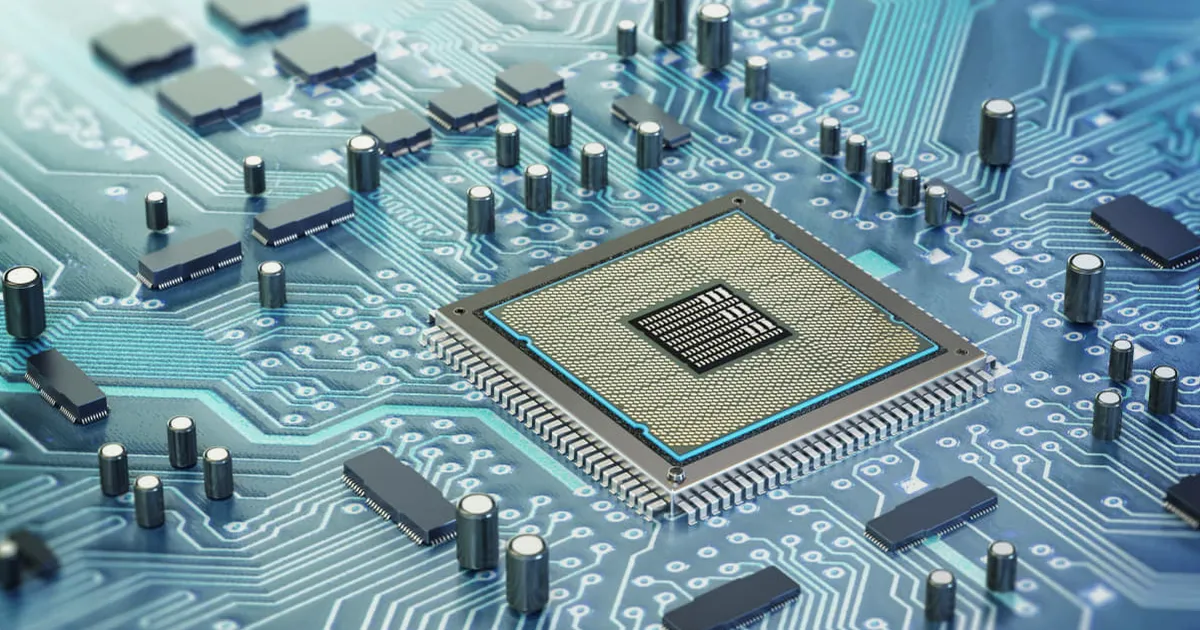
Semiconductor stocks experienced a sharp one-day decline on Tuesday, but historical data suggests such selloffs are often temporary. A review of 17 similar single-day plunges in the sector over the past 15 years shows that the market tends to rebound within a short period, typically within weeks. The average drawdown in these events was around 4-6%, with recoveries occurring within 10 to 30 trading days. This pattern aligns with the so-called 'Fed model,' which compares earnings yields to Treasury yields: when the earnings yield on the S&P 500 (currently around 3.5%) exceeds the 10-year Treasury yield (near 4.2%), stocks may appear less attractive, but semiconductor earnings growth often outpaces the broader market, supporting a rebound. The forward P/E for the sector has compressed from 25x to 22x, still above its 5-year average of 20x, but not extreme.
The recent drop in microchip stocks has raised concerns among traders about the sustainability of the rally in technology shares. However, historical patterns indicate that these events are frequently followed by a recovery, as the underlying demand drivers for semiconductors remain intact. The sector's cyclical nature means that sharp corrections can create buying opportunities for investors with a medium-term horizon. Breadth indicators, such as the percentage of stocks above their 50-day moving average, have fallen to 40%, suggesting oversold conditions. Sector rotation has been evident, with money flowing into defensive sectors like utilities and healthcare, but semiconductor buyback yields (around 2.5%) provide a floor for prices. Options-implied volatility (VIX) spiked to 22, but not to panic levels seen in past corrections. Traders can monitor the live performance of semiconductor stocks on NowPrice's real-time dashboard to track the rebound.
Looking ahead, market participants will focus on upcoming earnings reports from major chipmakers like Nvidia (NVDA) and Intel (INTC), as well as macroeconomic data such as the ISM manufacturing index and non-farm payrolls, which could influence demand. Key levels to watch include the Philadelphia Semiconductor Index's support at 3,200 and resistance at 3,500. If history is any guide, the current dip may be short-lived, but traders should remain vigilant for any signs of a broader market shift, such as a sustained break below support or a spike in credit spreads. The Fed's next policy decision in September will also be critical, as rate cuts could boost growth stocks further.