




Wall Street consensus on buying the dip is a contrarian warning signal
A widely adopted strategy of buying the dip may signal market complacency, historically underperforming over the long term and often preceding corrections.
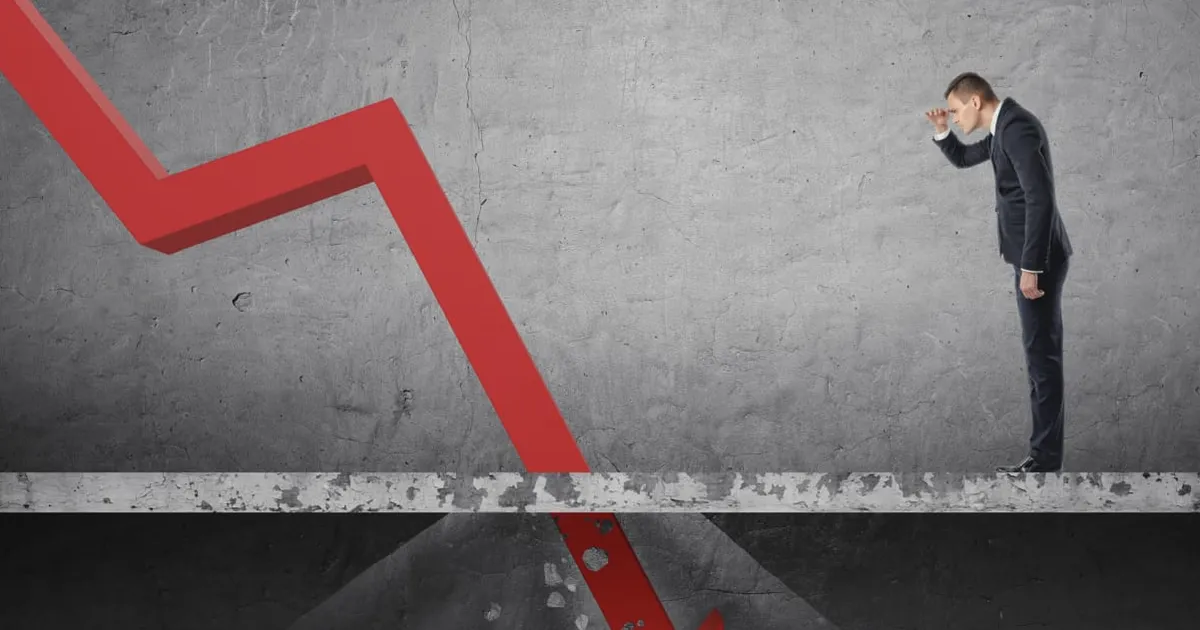
A strategy that feels like free money actually lags the stock market over the long term. Everyone on Wall Street now believes in buying the dip, and that is exactly why you should worry.
When a trade becomes universally accepted, it often signals that the easy gains have been made. Buying the dip has worked exceptionally well during the prolonged bull market, but historical data shows that such strategies tend to underperform over full market cycles. The current consensus may reflect complacency, with investors piling into a trade that has already been priced in. For equities traders, this is a classic contrarian indicator: when everyone is on the same side, the market is vulnerable to a reversal. The Fed model, which compares the S&P 500 earnings yield to the 10-year Treasury yield, currently shows a narrow spread, suggesting stocks are not cheap relative to bonds. Forward P/E ratios for the S&P 500 have expanded to around 20x, above the 10-year average of 17x, leaving little room for error. Meanwhile, buyback yields have moderated as companies face higher borrowing costs, reducing a key source of demand. Options-implied volatility, as measured by the VIX, remains low, but a sudden spike could trigger forced selling. NowPrice's real-time stock quotes can help you monitor if the dip-buying momentum is fading.
The key risk is that the strategy works until it doesn't. A sudden shift in macro conditions—such as a hawkish Fed surprise or a spike in bond yields—could trigger a sharp selloff that catches dip buyers off guard. Traders should watch for breadth deterioration, with fewer stocks participating in rallies, as well as rising volatility indices and earnings yield spreads versus Treasuries. Sector rotation out of growth and into defensive stocks would signal waning risk appetite. If the S&P 500 breaks below its 200-day moving average, the dip-buying narrative could quickly unwind, leading to a cascade of stop-loss orders and margin calls.