




Private Equity Zombie Funds Expected to Multiply as Deal Lull Persists
A survey by Coller Capital indicates that private equity fund investors expect more zombie funds to emerge as the prolonged deal lull pressures fund managers.
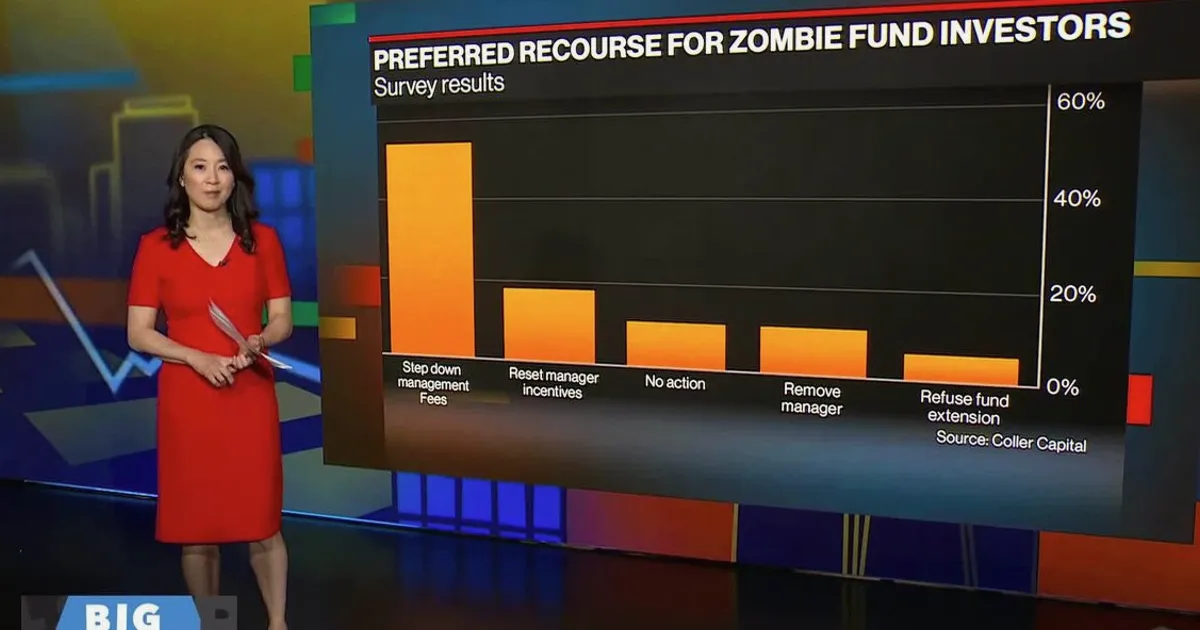
Private equity fund investors expect a growing number of zombie funds to appear in their portfolios as the prolonged lull in dealmaking continues to pressure fund managers, according to a survey by secondaries firm Coller Capital.
The survey, conducted among limited partners in private equity funds, reveals that a significant portion anticipate an increase in so-called zombie funds—funds that are unable to exit investments or raise new capital, effectively becoming stagnant. The persistent environment of muted M&A activity and subdued IPO markets has left many funds holding assets longer than intended, impairing their ability to return capital to investors. This trend is particularly pronounced among older vintages, where funds are past their typical life span but still hold substantial unrealized assets.
For stock market participants, the rise of zombie funds signals broader liquidity constraints in the private equity space, which can indirectly affect public equities. When private equity firms struggle to exit, they may be forced to sell portfolio companies at discounts or delay distributions, potentially reducing the flow of capital back into the market. Additionally, the overhang of unsold assets could weigh on valuations in sectors where private equity is heavily invested, such as technology and healthcare. Traders tracking market sentiment can monitor these dynamics through NowPrice's live equities dashboard, which captures real-time price action across sectors.
Looking ahead, the duration of the deal lull will be critical. If M&A and IPO activity remain subdued, the number of zombie funds is likely to increase, further straining the private equity ecosystem. Investors will watch for signs of a recovery in dealmaking, including central bank policy shifts and improved economic confidence. The upcoming earnings season may provide clues about corporate appetite for transactions, while regulatory developments could also influence the pace of exits.