




Vietnam Robusta Coffee Boom Linked to Forest Loss, Water Stress
A Coffee Watch report warns that Vietnam's rapid expansion of robusta coffee cultivation has come at the cost of deforestation, groundwater depletion, and increased vulnerability for smallholder farmers.
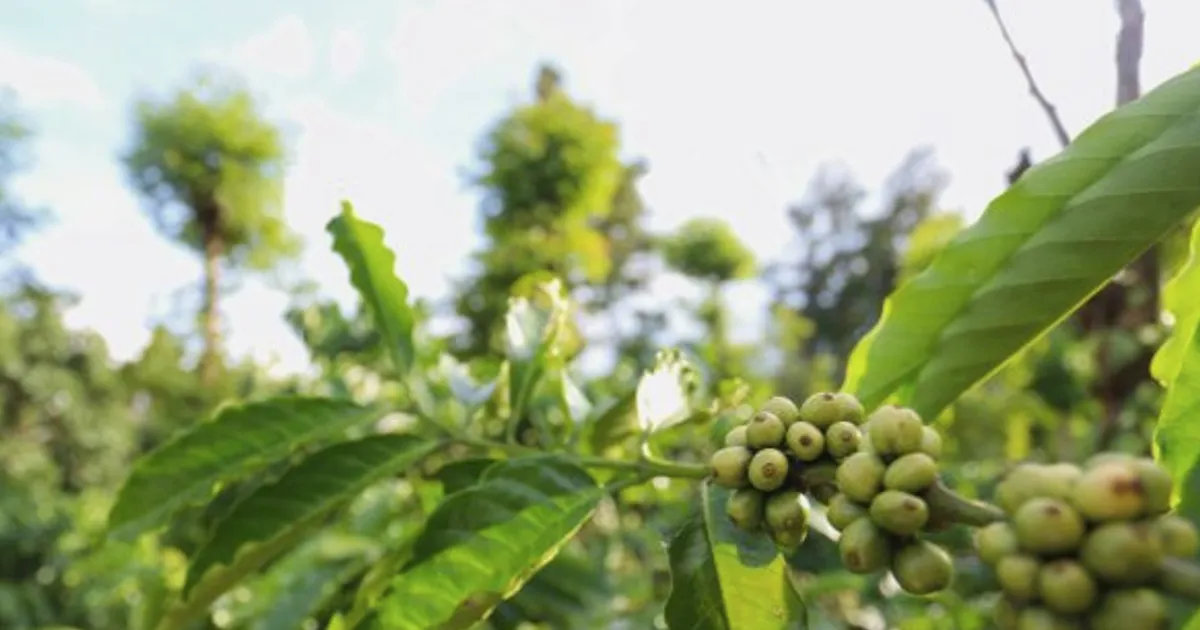
A new report from Coffee Watch warns that Vietnam's meteoric rise as a robusta coffee powerhouse has come with severe environmental and social costs, including deforestation, groundwater depletion, and heightened vulnerability for smallholder farmers.
The report, titled 'The Bitter Side of Vietnam's Robusta Boom,' details how the country's coffee area has expanded by over 50% since the early 2000s, much of it into forested land and areas with fragile water tables. Vietnam is the world's largest producer of robusta beans, which are used primarily in instant coffee and espresso blends. The report notes that the boom has lifted millions out of poverty but has also led to a 30% decline in forest cover in key coffee-growing provinces and a drop in groundwater levels of up to one meter per year in some regions. Smallholders, who account for 85% of Vietnam's coffee output, face mounting risks from price volatility, climate change, and soil degradation, the report says.
For commodities traders, the findings underscore the growing supply-chain risks in one of the world's most important coffee origins. Vietnam's robusta exports account for roughly 40% of global robusta trade, and any disruption — whether from drought, regulatory crackdowns, or farmer abandonment — could tighten supplies and lift prices. Traders can monitor real-time robusta futures and coffee price movements on NowPrice's live commodities dashboard to track market reactions to these structural concerns.
Looking ahead, the report calls for greater investment in sustainable farming practices and better water management. The Vietnamese government has already signaled plans to limit coffee area expansion and promote agroforestry. Market participants will be watching for any policy shifts that could affect output, as well as weather patterns in the Central Highlands during the upcoming harvest season.