




Ceasefire Caps Oil Rally as China Demand Weakens
A ceasefire between the US and Iran caps oil's rally, while weak Chinese demand and a surge in supertanker orders add bearish pressure.
A ceasefire between the US and Iran has capped the recent rally in oil prices, as traders weigh the implications of reduced geopolitical risk against persistent demand concerns from China.
The agreement, announced earlier this week, de-escalates tensions in the Strait of Hormuz, a critical chokepoint for global crude shipments. This has eased fears of supply disruptions, prompting a pullback from recent highs. Meanwhile, Kuwait has offered its first crude cargoes to Asia since the start of the Iran war, signaling a return to normal trade flows. However, the demand side remains weak, with Chinese economic data pointing to slower growth and reduced oil consumption.
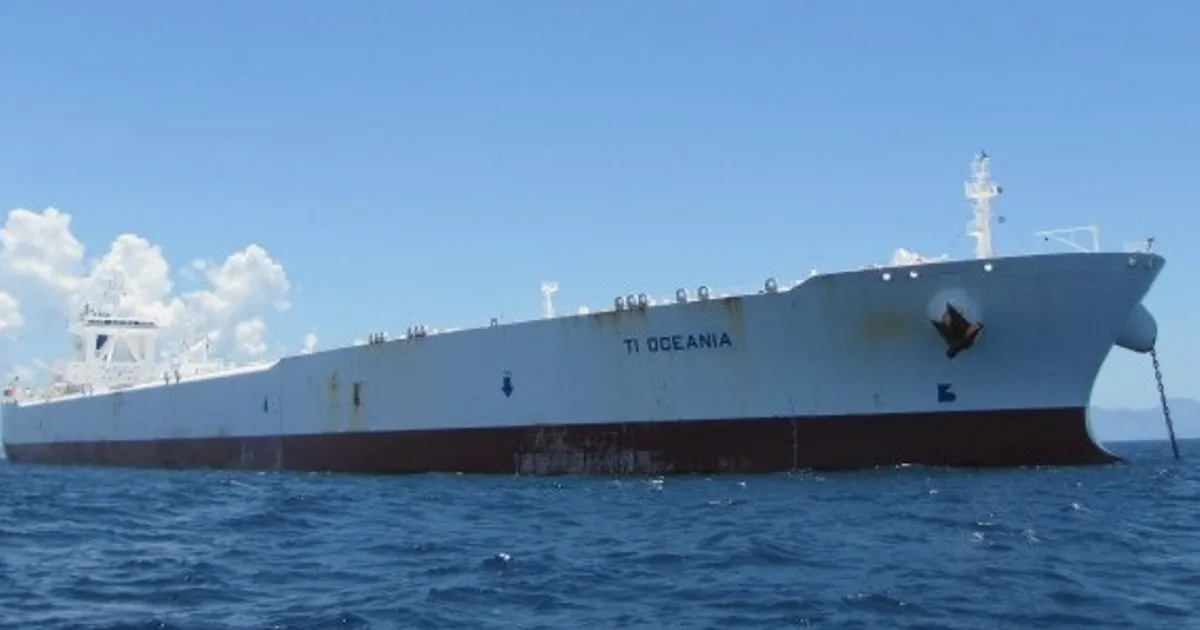
For energy traders, the ceasefire reduces the risk premium embedded in crude prices, but the fundamental picture is mixed. The surge in supertanker orders—262 VLCCs on order, surpassing the 2008 record—suggests that shipping capacity is expanding rapidly, which could weigh on freight rates and signal expectations of ample supply. NowPrice's real-time fuel quotes show Brent crude trading near $72, with WTI around $68, reflecting the cautious sentiment. The contango structure in the futures market indicates that storage is becoming profitable again, a bearish signal for near-term prices.
Looking ahead, traders will focus on upcoming OPEC+ meetings and Chinese import data for further clues on demand. The ceasefire's durability remains uncertain, and any renewed tensions could quickly reverse the current price cap. Additionally, the US strategic petroleum reserve levels and refinery maintenance schedules will be key to watch as the summer driving season approaches.