




China Delays 500,000 Bpd Refining Capacity as Hormuz Disruptions Deepen
Chinese refiners have delayed or postponed 500,000 barrels per day of refining capacity due to disruptions in Middle Eastern crude supplies through the Strait of Hormuz, marking a significant downstream impact from the Iran conflict.
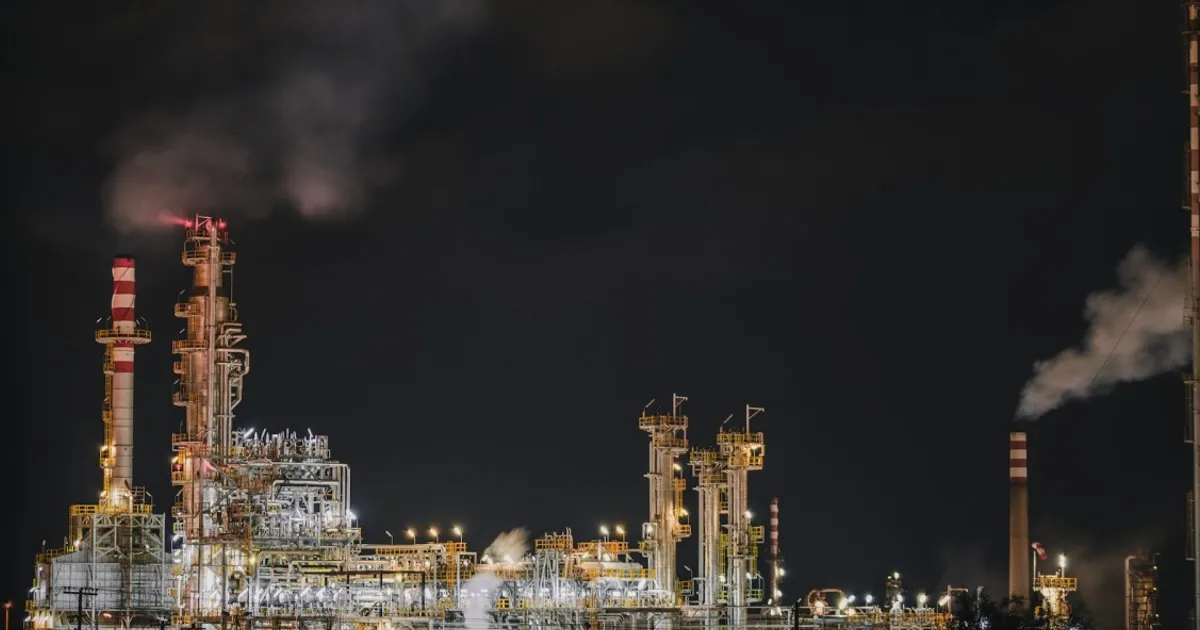
Chinese refiners have delayed or indefinitely postponed 500,000 barrels per day of refining capacity as disruptions to Middle Eastern crude supplies through the Strait of Hormuz deepen, according to a Reuters report on Monday. The delays affect a 300,000-bpd refinery being developed by Huajin Aramco Petrochemical Co. in northeastern China and a planned 200,000-bpd restart at PetroChina's Dalian refinery. Both projects were expected to contribute to China's refining growth this year but have been pushed back amid uncertainty over crude availability and rising feedstock costs.
For fuel traders, this is one of the first major downstream consequences of the Iran conflict outside the Gulf region. The Strait of Hormuz, through which about 20% of global oil passes, has seen increased tanker insurance premiums and longer voyage times, squeezing margins for Chinese refiners that rely heavily on Middle Eastern crude. The delays reduce China's near-term demand for crude, potentially easing global oil prices, but also tighten refined product supply in Asia as less capacity comes online. Traders can track these supply-demand shifts on NowPrice's live fuel dashboard, which monitors real-time crude and product prices.
Looking ahead, the market will watch for further capacity delays or cancellations if Hormuz disruptions persist. China's refining sector, already facing overcapacity, may see more project postponements. Key data to monitor include weekly Chinese crude imports, refinery run rates, and product export quotas. Any escalation in the Iran conflict could deepen supply disruptions, while diplomatic progress might restore flows. The Brent-WTI spread and crack spreads for gasoline and diesel will reflect these dynamics.