




Oil Supertanker Orders Surpass 2008 Record, Risking Glut
Global shipowners have ordered a record number of very large crude carriers, exceeding the 2008 peak that led to a rate collapse, signaling potential oversupply in tanker markets.
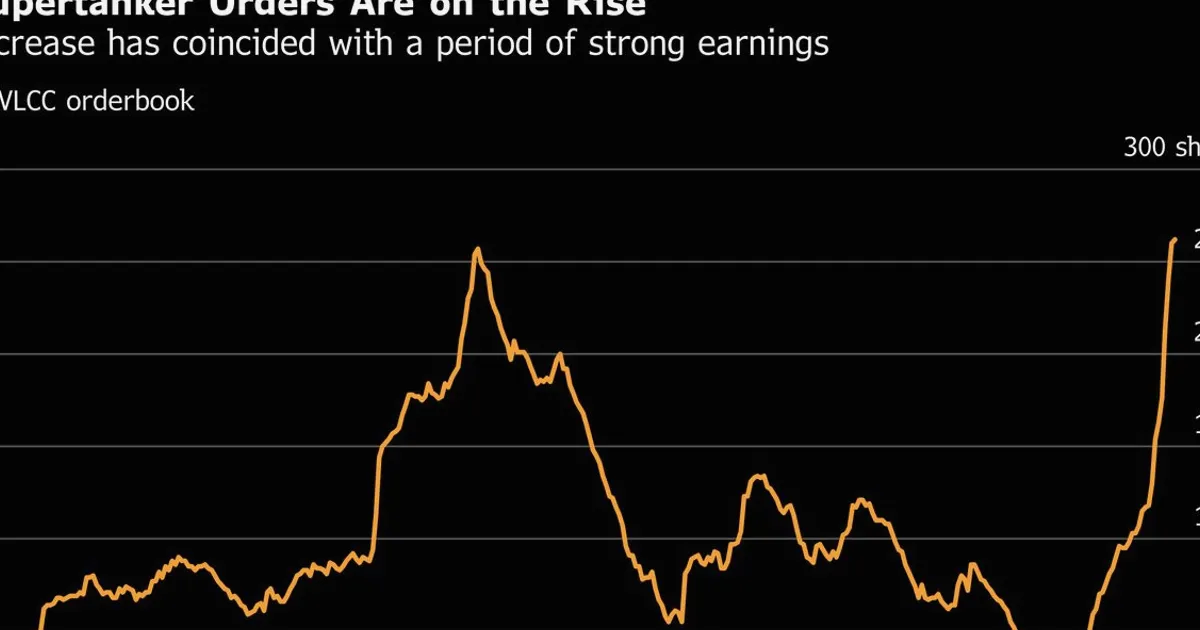
Global shipowners have placed orders for a record number of very large crude carriers (VLCCs), surpassing the previous peak set in 2008. That earlier boom ultimately led to a glut in tanker capacity and a collapse in freight rates, a pattern that traders now fear could repeat.
The surge in orders comes amid strong demand for crude transport, driven by rising global oil production and trade flows. However, the scale of newbuilds risks overwhelming the market once these vessels are delivered, typically over the next two to three years. In the tanker market, supply-demand balance is critical: when too many ships chase the same cargoes, freight rates fall sharply, squeezing owner profits and reducing the cost of moving crude. For oil traders, lower freight costs can narrow the Brent-WTI spread and make long-haul arbitrage more attractive, but the looming oversupply may also signal a bearish outlook for tanker equities. Live fuel prices and shipping rates on NowPrice show how the market is reacting to the orderbook data.
Looking ahead, traders will monitor the pace of vessel deliveries and any scrapping activity, which could offset some of the new capacity. Key data points include the orderbook-to-fleet ratio, which currently stands near multi-year highs, and the evolution of spot freight rates for benchmark routes like the Middle East Gulf to China. If demand growth fails to keep pace, the market could face a prolonged downturn reminiscent of the post-2008 period.