




Crypto-Treasury Model Falters After 90% Stock Crash
The strategy of launching a public company to buy cryptocurrency is unraveling after a 90% stock plunge, putting pressure on similar blank-check deals amid a hostile market.
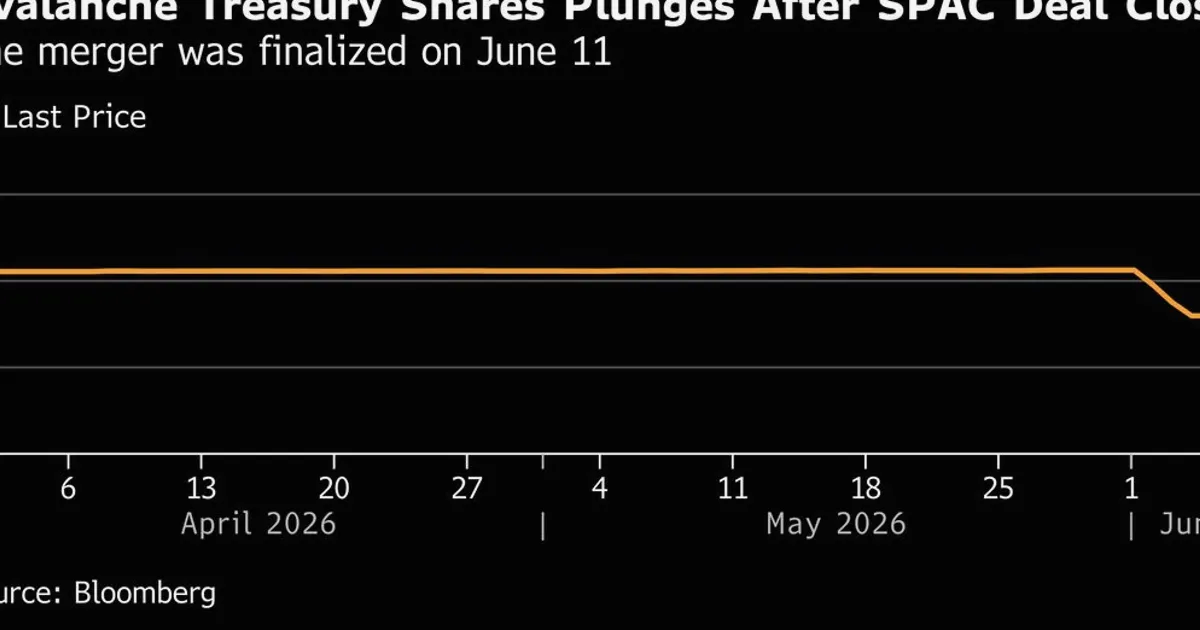
The business model of launching a public company specifically to buy cryptocurrency is falling apart after a 90% stock plunge, according to a Bloomberg report. The sharp decline has cast doubt on the viability of such crypto-treasury strategies, which had gained traction during the bull market. The affected company, which went public via a SPAC merger to hold digital assets on its balance sheet, saw its shares collapse as Bitcoin and other cryptocurrencies tumbled. This dramatic sell-off underscores the fragility of firms that rely solely on crypto holdings rather than generating organic earnings.
For equities traders, this serves as a cautionary tale about the risks of tying corporate valuations to volatile digital assets. The so-called "Fed model," which compares earnings yield to Treasury yields, highlights the disconnect: while the S&P 500 forward P/E has compressed to around 18x from 21x a year ago, these crypto-treasury firms often have no earnings to value. Meanwhile, breadth indicators show that fewer than 40% of stocks in the Nasdaq are trading above their 50-day moving average, signaling broad market weakness. Sector rotation has favored defensive plays like utilities and healthcare over speculative tech and crypto-exposed names. Additionally, buyback yields have fallen as companies conserve cash, and options-implied volatility remains elevated, with the VIX hovering near 20. Traders can track the ongoing moves in affected stocks on NowPrice's live stocks dashboard.
Looking ahead, other firms in the pipeline for similar SPAC deals may struggle to secure funding or face renegotiated terms. The market backdrop remains fiercely unfriendly to speculative structures, and regulatory scrutiny could intensify. Investors will watch for any further cancellations or valuation adjustments in pending crypto-treasury listings. A sustained drop in Bitcoin below $20,000 could trigger additional margin calls and forced liquidations, amplifying downside pressure. For now, the crypto-treasury dream appears to be unraveling, leaving shareholders with steep losses and few catalysts for recovery.