




Stock investors hope for Fed rescue, but no 'Warsh put' is coming
Wall Street's belief in a Fed safety net misreads the dot-com crash, as Alan Greenspan followed rules rather than saving portfolios, and no 'Warsh put' is coming to rescue stock investors.
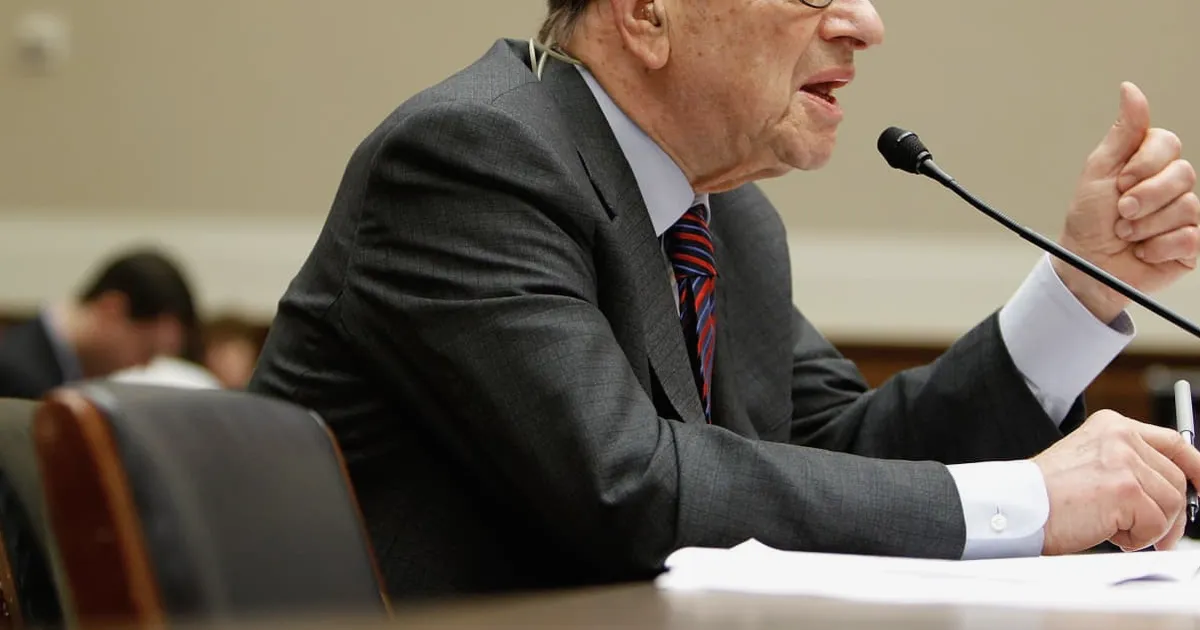
Stock investors expecting the Federal Reserve to step in with a rescue are likely to be disappointed, as historical precedent from the dot-com crash shows that central bank intervention is not guaranteed. The concept of a 'Warsh put' — named after former Fed governor Kevin Warsh — suggests the Fed would cut rates to support markets, but the current environment may not trigger such a response.
What happened: The dot-com crash of 2000-2002 saw the Fed under Alan Greenspan cut rates aggressively, but not to save stock portfolios. Greenspan's actions were driven by economic data and the risk of deflation, not by market levels. Today, with inflation still above target and the economy showing resilience, the Fed's priority remains price stability. The 'Warsh put' narrative assumes the Fed will always bail out stocks, but history suggests otherwise. On NowPrice, live stock prices and charts reflect the market's reaction to this reassessment of Fed expectations.
Why it matters for stock markets and equities traders: The belief in a Fed put has supported elevated valuations, with the S&P 500 forward P/E above historical averages. If the Fed does not deliver the expected rate cuts, the risk of a valuation correction increases. Traders should monitor the Fed's reaction function — if economic data remains strong, the Fed may hold rates steady, disappointing those hoping for a rescue. The 'Warsh put' is not a formal policy; it is a market narrative that can shift quickly, leading to increased volatility.
What to watch next: Key data releases this week include the PCE inflation report and jobless claims, which will shape Fed expectations. Any hawkish surprise could further reduce the probability of rate cuts. Additionally, Fed speakers' comments will be scrutinized for any shift in tone. Investors should also watch the yield curve, as a steepening could signal reduced recession fears, diminishing the case for a 'Warsh put'.