




Fourth of July Cookout Costs Rise 4% as Beef Prices Surge
The average cost of a Fourth of July cookout for 10 people rose 4% to $73.82, driven by beef prices surging as cattle herds hit a 75-year low amid strong protein demand.
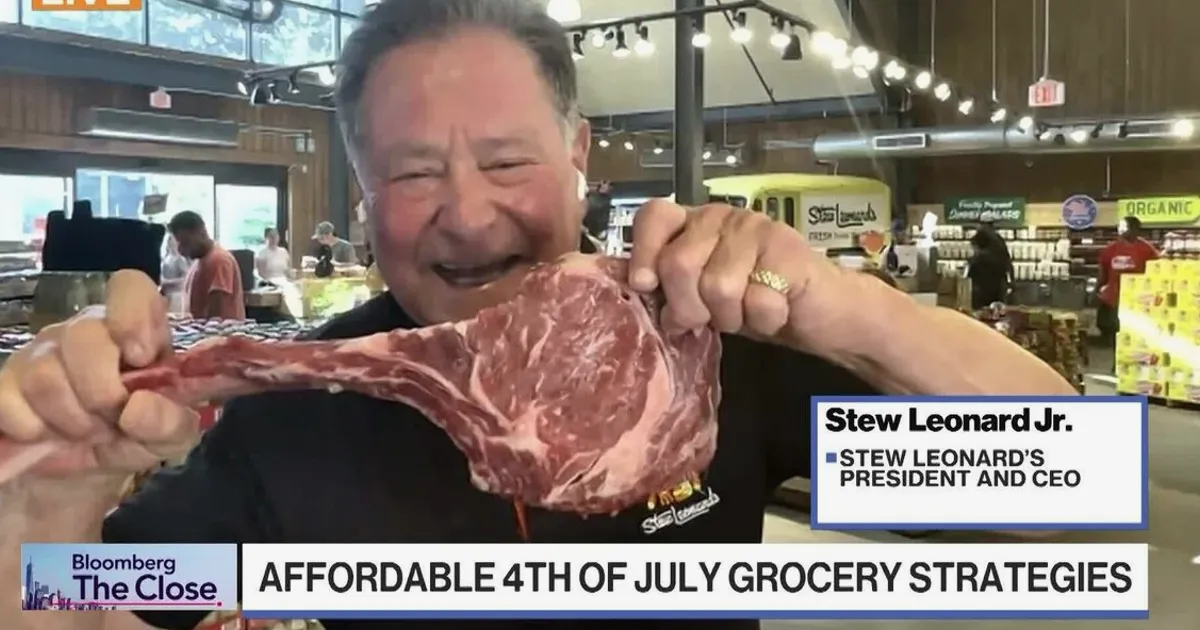
The average cost of a Fourth of July cookout for 10 people has risen 4% to $73.82, according to Stew Leonard Jr., CEO of Stew Leonard's grocery chain. The increase is primarily driven by beef prices, which have climbed from $2.50 to $2.75 per pound as cattle herds shrink to their smallest size in 75 years. This price hike reflects the ongoing contraction in U.S. cattle supply, which has been exacerbated by drought conditions in key grazing regions like Texas and the Plains, forcing ranchers to reduce herd sizes. The resulting tighter supply has pushed wholesale beef prices higher, with retail prices following suit as grocers pass on costs to consumers.
For traders tracking agricultural commodities, the sustained rise in beef prices reflects a structural supply shortage in the U.S. cattle market. With herd sizes at historic lows and protein demand remaining robust, meat prices are likely to stay elevated through the summer grilling season. The beef market is influenced by factors such as feed costs (corn and soybeans), fuel prices for transportation, and labor costs in processing plants. Additionally, export demand for U.S. beef, particularly from countries like Japan and South Korea, adds further upward pressure on prices. Investors monitoring the livestock complex should watch for further tightening if drought conditions persist in key grazing regions. For current pricing on beef and other protein commodities, check NowPrice's commodities page.
Looking ahead, market participants will focus on upcoming USDA cattle inventory reports and weather forecasts for the Plains. Any further reduction in herd numbers could push beef prices even higher, while a potential easing of demand after the holiday season may provide some relief. The broader inflation picture for food prices will also be influenced by input costs such as feed and fuel. Traders should also monitor the Federal Reserve's interest rate decisions, as higher rates can strengthen the U.S. dollar, making exports more expensive and potentially dampening demand. However, with domestic demand for beef typically strong during summer holidays, the near-term outlook remains bullish for cattle prices.