




Goldman Sachs Warns Strait of Hormuz Traffic May Never Fully Recover
Goldman Sachs warns that tanker traffic through the Strait of Hormuz may only recover to 70% of pre-war levels due to alternative routes, potentially reshaping global oil supply chains.
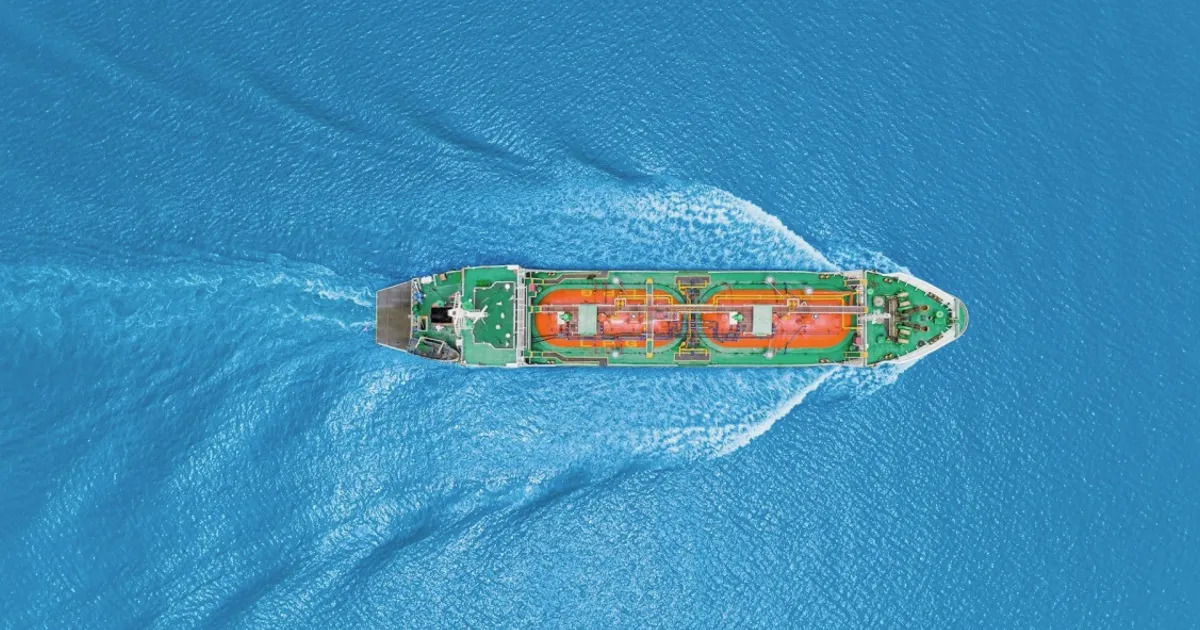
Goldman Sachs has warned that tanker traffic through the Strait of Hormuz may never fully return to pre-war levels, with analysts projecting a recovery to only 70% of previous flows, or about 13 million barrels per day, by the end of July. This estimate reflects the severe disruption caused by the conflict, which has forced shippers to seek alternative routes. The strait normally handles about 20 million barrels per day, roughly 20% of global oil consumption, making it the world's most critical energy chokepoint. The projected 13 million bpd figure implies a permanent loss of 7 million bpd of transit volume, a shift that would reshape global oil logistics.
The investment bank's assessment highlights the lasting impact of the conflict on one of the world's most critical energy chokepoints. Middle Eastern oil producers have increasingly turned to alternative export routes, such as pipelines bypassing the strait, reducing reliance on Hormuz transit. This shift, if sustained, could fundamentally alter global oil supply dynamics, potentially lowering the strategic importance of the strait and reducing the risk premium associated with its disruption. For context, OPEC+ spare capacity currently sits around 4-5 million bpd, mostly in Saudi Arabia and the UAE, which could be strained if Hormuz flows remain depressed. The Brent-WTI spread has widened as regional supply disconnects emerge, while US Strategic Petroleum Reserve levels remain near 40-year lows at roughly 370 million barrels, limiting emergency backstops. Crack spreads have also widened, reflecting tighter refined product markets as crude supply chains reroute.
For oil traders, the implications are significant. A permanent reduction in Hormuz traffic could tighten spare capacity buffers and increase the importance of other supply routes, such as the Red Sea and Mediterranean pipelines. Traders should monitor OPEC+ production decisions and the pace of infrastructure investments in alternative corridors. The recovery timeline to 13 million bpd by late July will be a key near-term indicator of how quickly supply chains are adapting. Additionally, watch for shifts in the contango/backwardation structure of crude futures, as a sustained backwardation would signal persistent tightness. China's marginal demand, which accounts for over 40% of global oil demand growth, will also be crucial—any slowdown could offset supply disruptions. Saudi-Russia coordination within OPEC+ remains a wildcard, as both nations may adjust output to capture market share or defend prices. The pace of pipeline expansions in Iraq and the UAE, as well as the reopening of Red Sea routes, will determine whether the 13 million bpd target is achievable by July.