




Morgan Stanley warns liquidity squeeze, not rate hikes, threatens stocks
Morgan Stanley strategist Michael Wilson warns that a liquidity squeeze, not further rate hikes, poses the near-term threat to equities, citing a sharp decline in the Fed's Reserve Management Program and reduced Treasury buybacks.
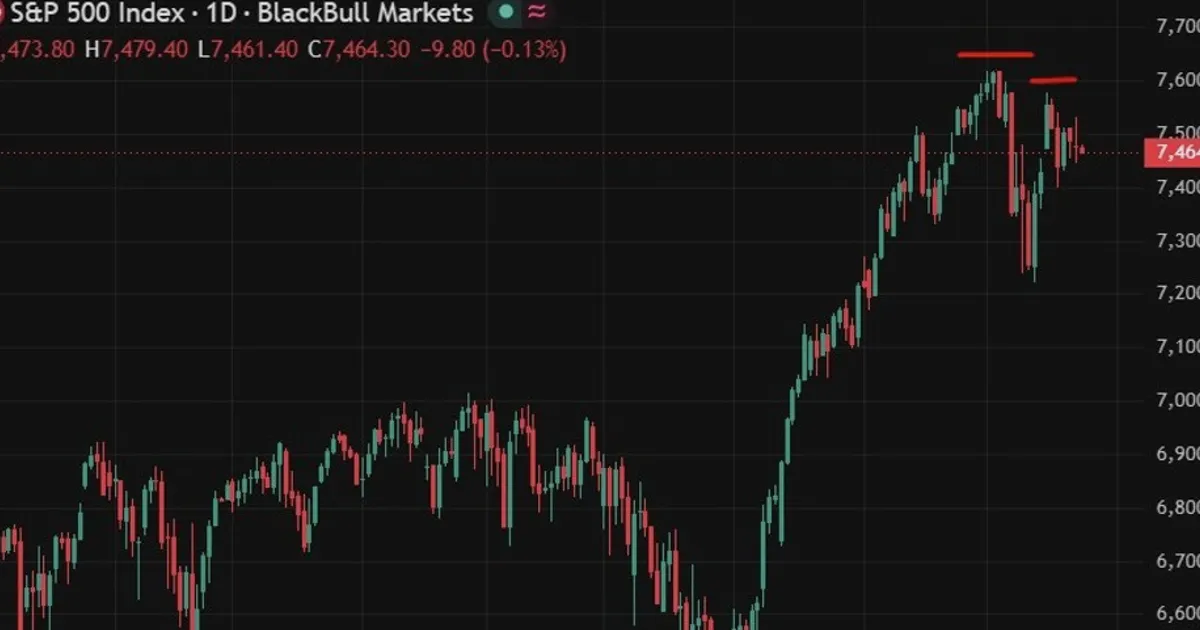
Morgan Stanley strategist Michael Wilson warns that a liquidity squeeze, not further rate hikes, is the near-term threat to equities, as the Fed's balance sheet support fades.
The warning centers on the sharp decline in the Fed's Reserve Management Program, which has fallen roughly 75% from its peak, and a halving of Treasury buybacks. These tools had provided a tailwind for equities through much of the cycle, but their withdrawal is now creating a pincer effect on market liquidity. Accelerating lending growth compounds the problem by absorbing capital from the real economy. Wilson sees this pressure persisting into July, with the bear-flattening of the yield curve and dollar strength seen after last week's FOMC meeting consistent with his framework. He also reads the sell-off in precious metals as confirmation that the 'credibility trade' linked to Treasury Secretary Warsh is working.
For foreign exchange and currencies traders, the liquidity dynamics are directly relevant. A shrinking Fed balance sheet reduces dollar liquidity in the global system, which can support the dollar via tighter financial conditions. The bear-flattening of the yield curve—where long-term yields fall faster than short-term yields—often signals a growth scare, which historically benefits the dollar as a safe haven. At the same time, reduced liquidity can amplify volatility in currency pairs, especially those sensitive to risk sentiment like USD/JPY and EUR/USD. Traders can monitor real-time FX quotes on NowPrice to track these moves as the liquidity backdrop evolves.
Looking ahead, the key data points to watch include weekly Fed balance sheet figures, which will show the pace of Reserve Management Program runoff, and Treasury auction results that reflect buyback activity. Any acceleration in lending growth or further tightening of financial conditions could reinforce Wilson's bearish view. The July FOMC meeting will also be critical, as the market assesses whether the Fed acknowledges the liquidity drag. If the dollar continues to strengthen on the back of this liquidity squeeze, it could weigh on risk assets and emerging market currencies, making the liquidity trajectory a central theme for traders in the coming weeks.