




Australia May CPI preview: fuel drag masks sticky underlying inflation
Australia's May CPI report is expected to show a drop in headline inflation due to fuel prices, but the trimmed mean measure watched by the RBA likely edged higher, reinforcing the case for rates to stay on hold or lean hawkish.
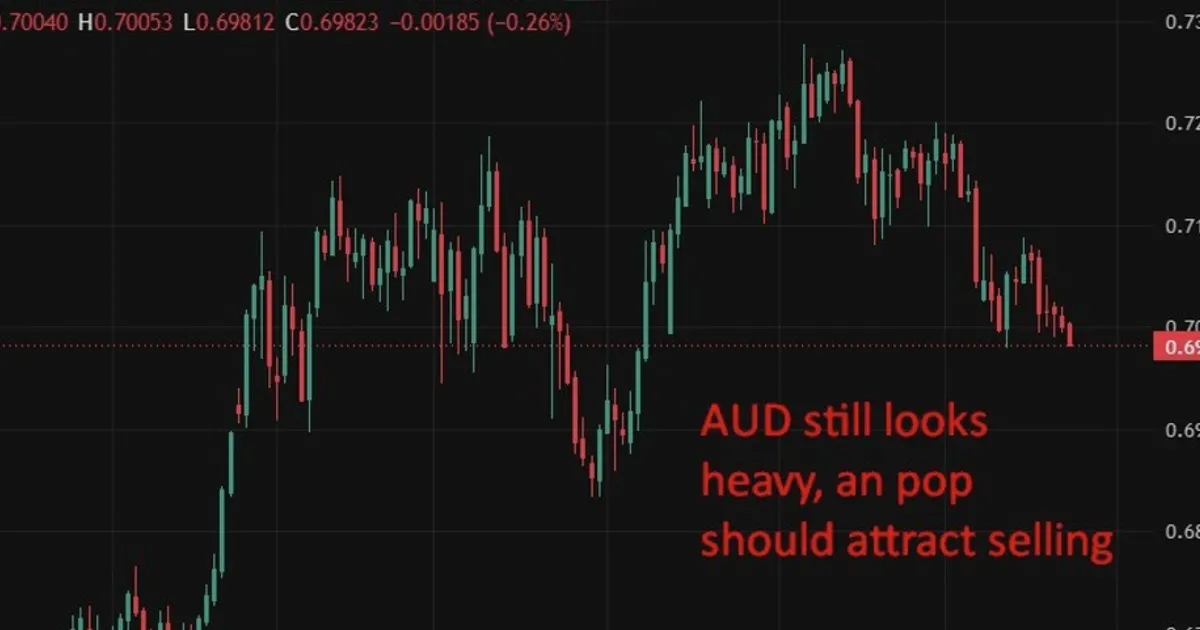
Australia's May consumer price index report, due for release this week, is expected to deliver a mixed picture: headline inflation likely fell on a month-on-month basis, dragged down by lower fuel prices, while the underlying trimmed mean measure — the Reserve Bank of Australia's preferred gauge — is forecast to edge higher.
The divergence between headline and core inflation creates a communication challenge for the RBA. The three major Australian banks broadly expect the annual trimmed mean to print between 3.5% and 3.6%, up from the prior month. A reading above that range would reinforce the case for the RBA to hold its cash rate at the next meeting or even lean toward a hike, as it would signal that underlying price pressures remain sticky despite the temporary fuel-driven dip. For traders, the trimmed mean is the key number to watch, as it filters out volatile items and gives a clearer read on domestic demand-driven inflation. Any upside surprise could boost the Australian dollar and push short-end rate futures lower, as markets price in a higher probability of a rate increase. NowPrice's real-time rates quotes show the current pricing of RBA rate expectations, allowing traders to react instantly to the data.
Looking ahead, the May CPI print will set the tone for the RBA's August policy meeting. If the trimmed mean surprises to the upside, it would add to the case for a hawkish hold or a hike, especially given the tight labor market and resilient services inflation. Conversely, a softer core reading could ease some of the recent hawkish pressure, though the RBA is likely to remain cautious given the persistence of domestic inflation. Markets will also watch for any revisions to the RBA's inflation forecasts in the August Statement on Monetary Policy.